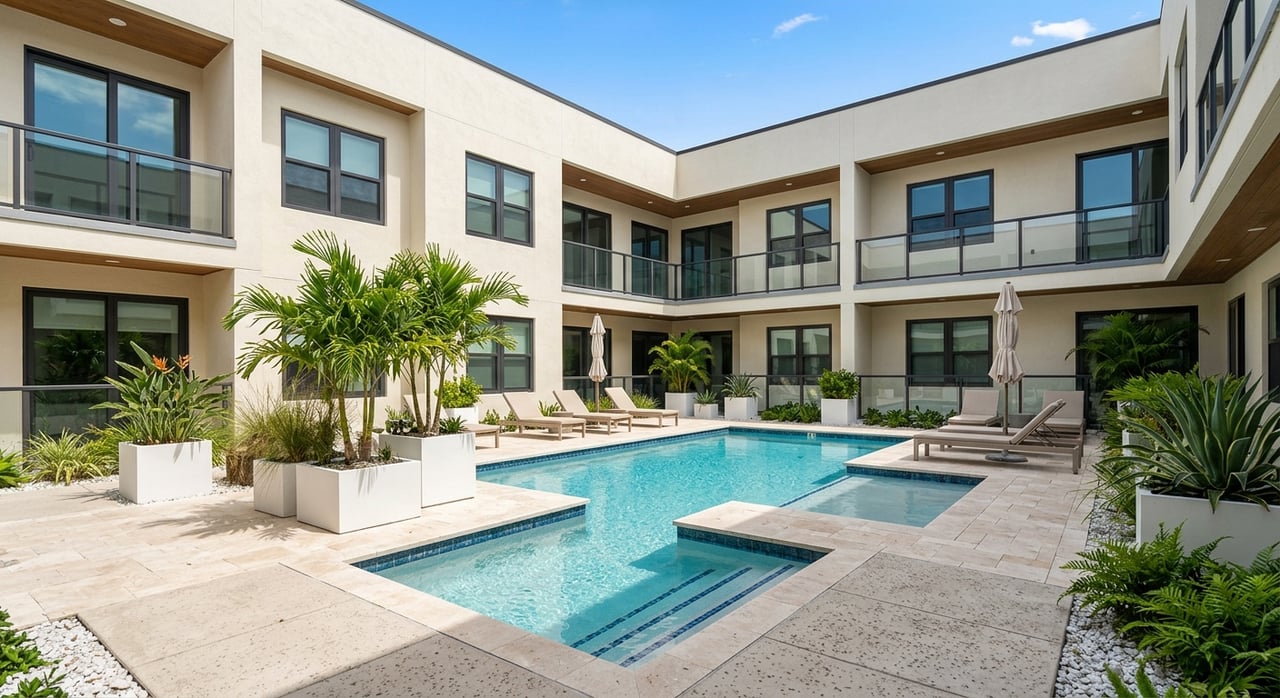
Cape Canaveral Condos vs Homes For Vacation Buyers
You can fall in love with Cape Canaveral in a single weekend, but choosing the right vacation property takes more than a great view. If you are deciding between a condo and a single-family home, your best choice depends on how you plan to use the property, how much upkeep you want, and how local rental and flood rules may affect ownership. This guide will help you compare both options in a practical way so you can buy with more confidence. Let’s dive in.
Cape Canaveral is not a one-size-fits-all vacation market. The area offers beach access, riverfront recreation, boating, fishing, and outdoor spaces that can shape how you want to spend your time here.
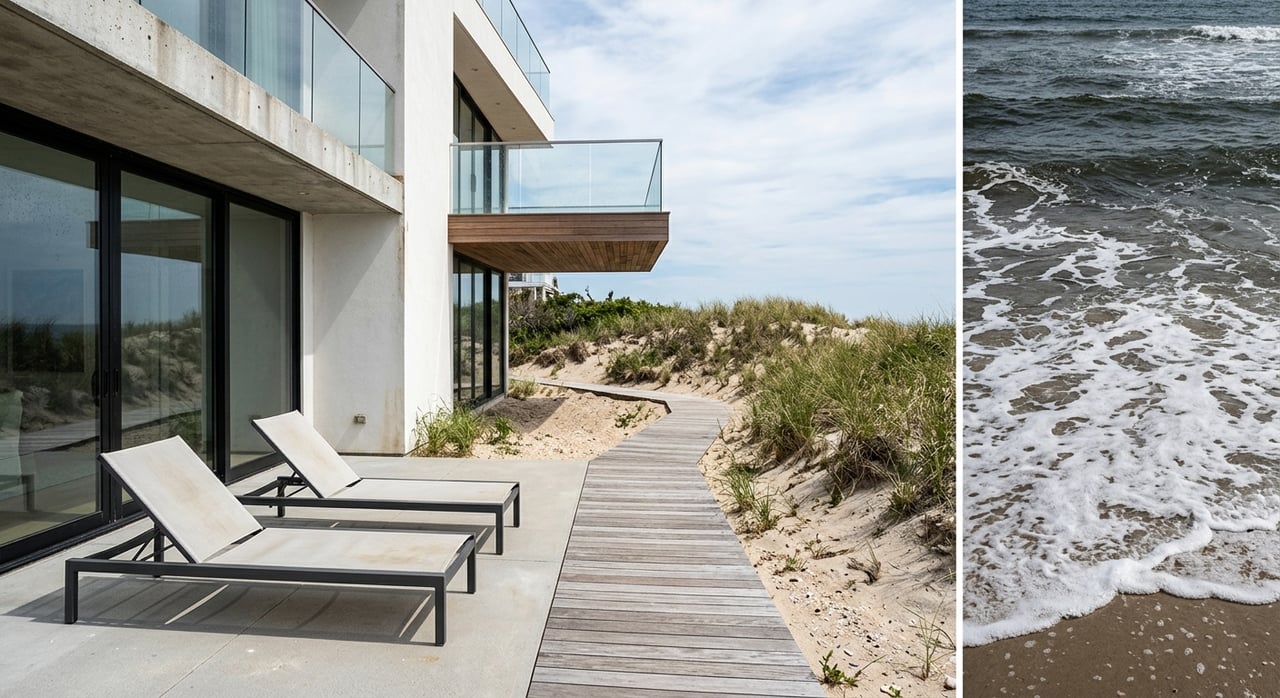
Local parks and attractions help show that lifestyle range. Banana River Park includes a kayak and fishing dock, Manatee Sanctuary Park offers a Banana River boardwalk and walking trail, and Cherie Down Park provides beach access with restrooms, showers, picnic shelters, and grills. Port Canaveral and Jetty Park also add to the appeal for buyers who want easy access to the water.
That is why the condo versus home decision is about more than square footage. In Cape Canaveral, your property type can affect your maintenance workload, your privacy, your rental options, and your carrying costs.
For many second-home buyers, a condo is the easiest starting point. If you want a place you can enjoy and then leave with fewer day-to-day responsibilities, a condo often fits that goal well.
With a condo, you typically own the unit itself and share ownership of common elements. Condo fees often help cover exterior maintenance and common-area upkeep, and they may also include some utilities, insurance contributions, reserves, or amenities.
That setup can be very attractive if you do not want to spend your vacation time handling exterior repairs or ongoing property chores. For seasonal owners and part-time residents, that lock-and-leave convenience is often one of the biggest advantages.
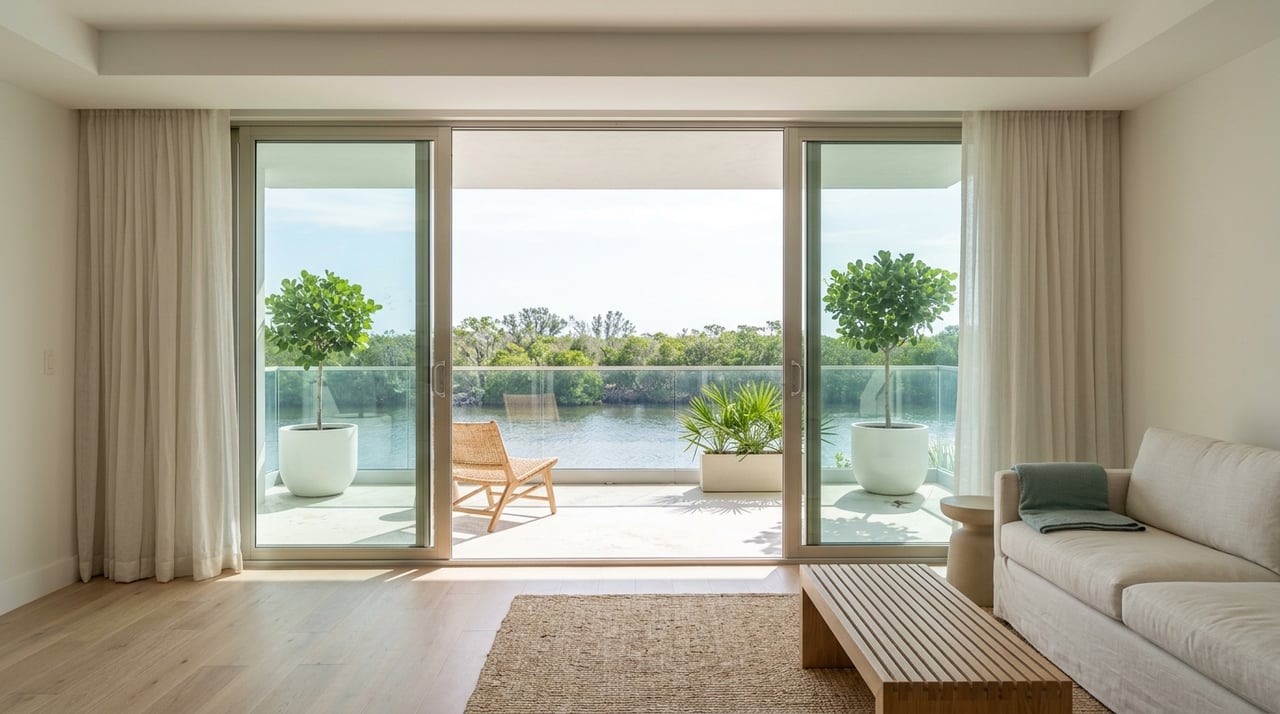
Many condo communities offer amenities that support a vacation lifestyle. Depending on the building or complex, that can include fitness areas, recreational spaces, walking paths, or other shared features.
If your goal is simplicity and convenience, those shared amenities can make condo living feel more turnkey. You may get more lifestyle support without taking on all the maintenance yourself.
The convenience of condo ownership comes with more oversight. When you buy a condo, you are also buying into an association structure with financial records, governing documents, insurance requirements, and project conditions that matter to you as an owner.
Before you buy, it is smart to review:
These details matter for both lifestyle and financing. Project eligibility for standard financing can depend on the community’s physical condition, financial health, insurance, and whether critical repairs are unresolved.
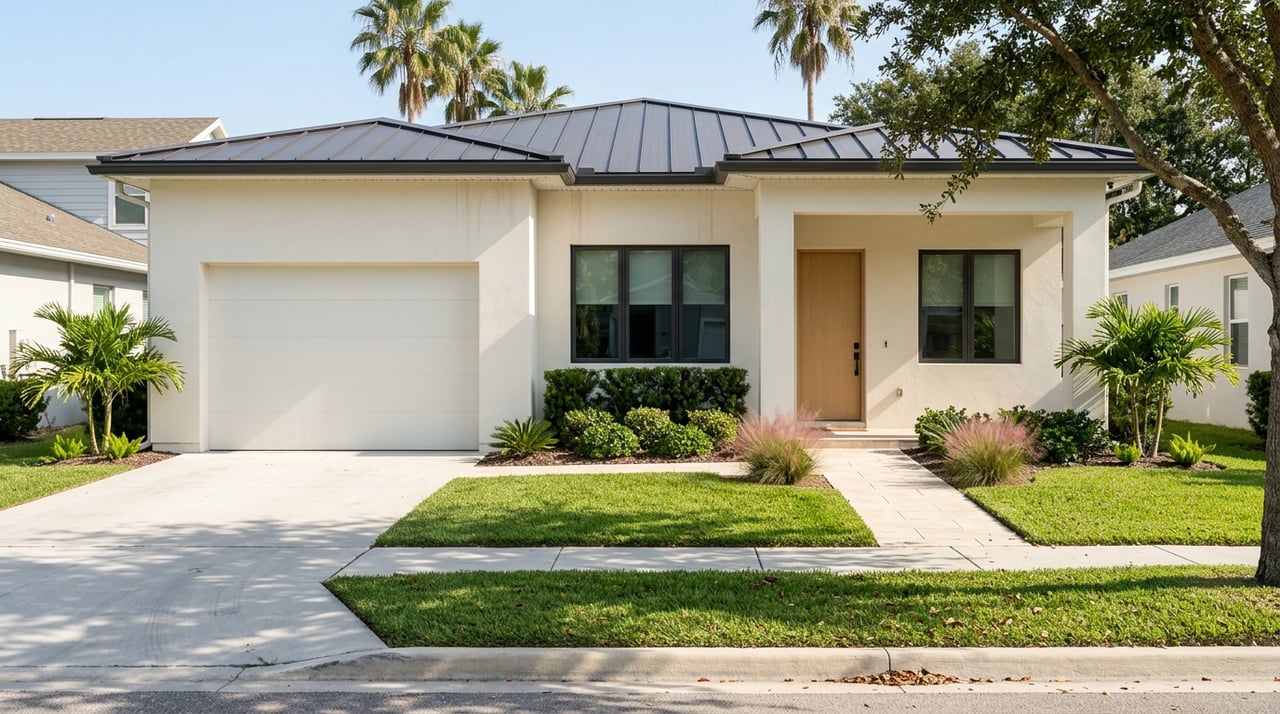
If privacy and control matter most to you, a single-family home may be the better fit. A house often gives you more room to spread out and more freedom in how you use the property.
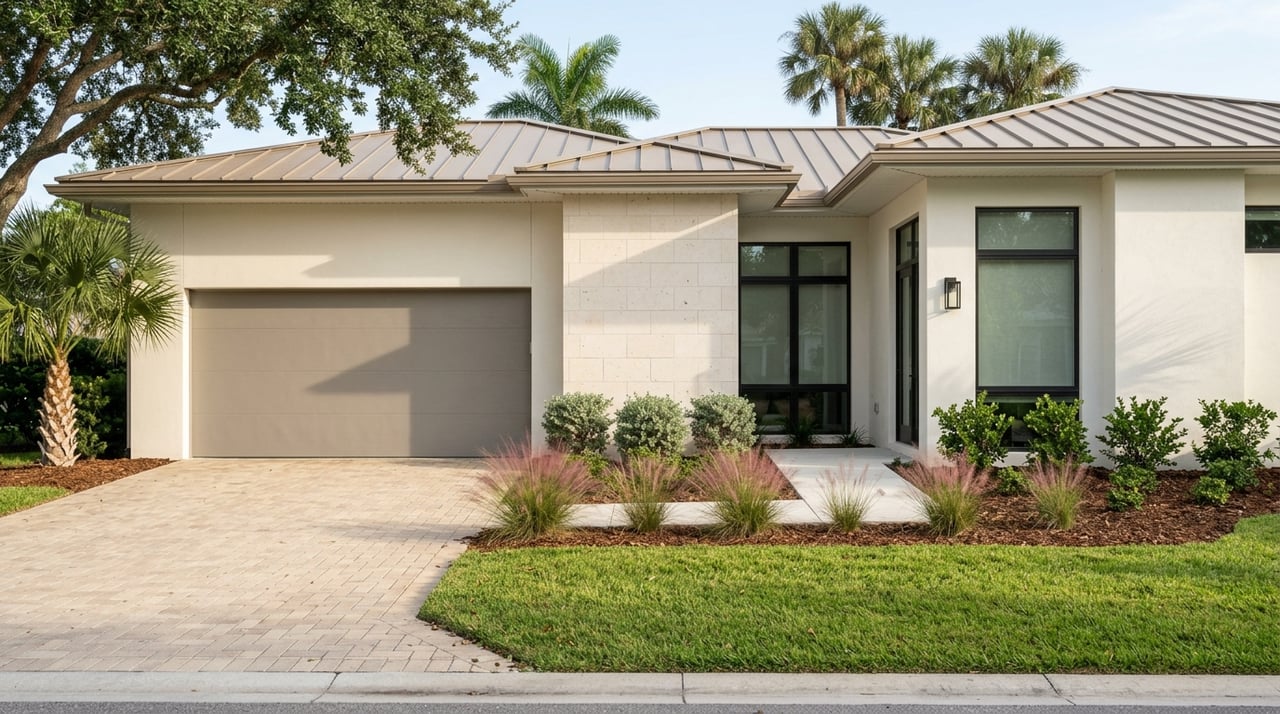
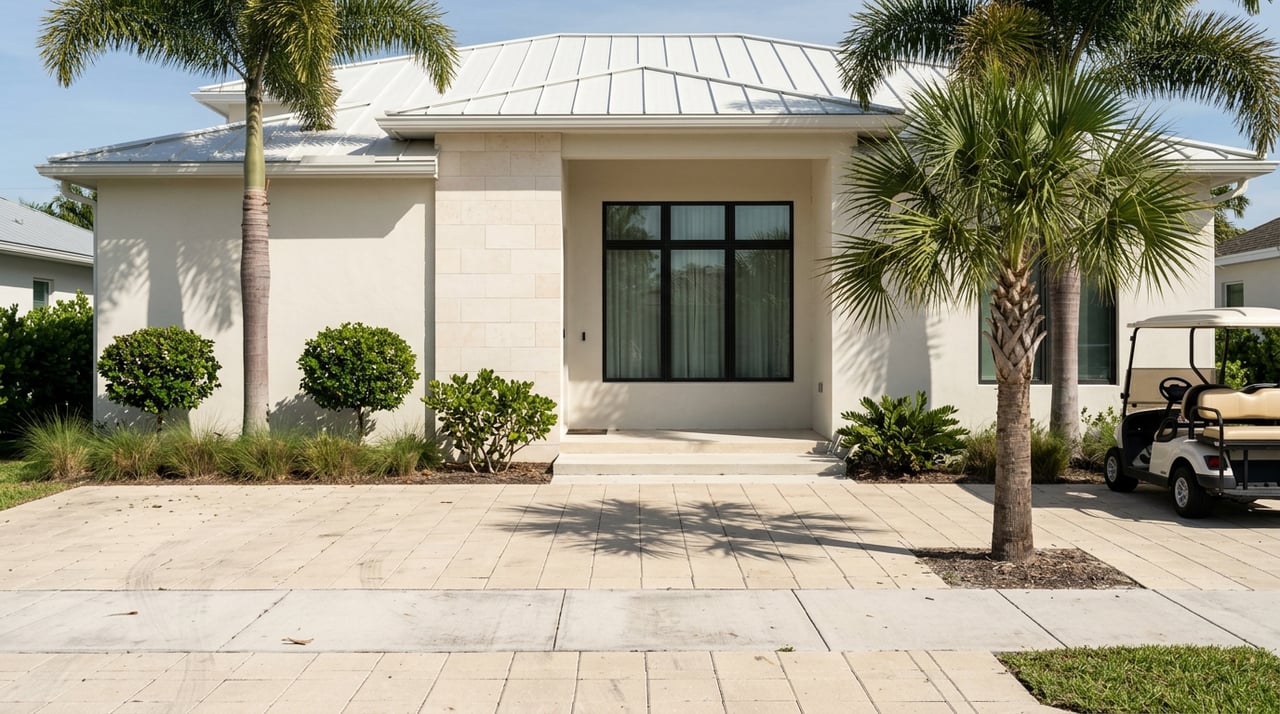
With a single-family home, you usually own the house and the lot. That often means more outdoor space, more separation from neighbors, and more flexibility for how you enjoy the property.
For buyers planning longer seasonal stays, hosting guests, or wanting room for beach gear, a boat setup, or extra storage, that added space can be a major benefit. A home can feel more like a private retreat.
The tradeoff is that detached-home ownership usually comes with more hands-on responsibility. Exterior maintenance, yard care, repairs, and property monitoring often fall more directly on you.
For some vacation buyers, that is no problem. For others, especially out-of-state owners, that added upkeep can become a burden over time.
A house does not always mean no restrictions. If the home is in an HOA community, there may still be rules, standards, and fees that affect how you use the property.
That is why it is important to read HOA documents just as carefully as condo documents. A single-family home may offer more autonomy, but you should still confirm any community-level restrictions before moving forward.
If you plan to use the property part of the year and rent it out at other times, this part of the comparison is critical. In Cape Canaveral, rental strategy should be verified before you focus on finishes, views, or projected income.
Cape Canaveral’s zoning code generally makes it unlawful to rent a dwelling for fewer than seven consecutive days in most zoning districts, with limited exceptions. That means buyers who are thinking about very short stays need to understand local rules early.
The city’s vacation-rental ordinance also includes registration requirements, annual renewals, and the possibility of annual inspections. Registration is tied to state lodging licensing, Florida Department of Revenue registration, a city business tax receipt, and a Brevard County tourist-tax account.
Brevard County says its Tourist Development Tax is currently 5% on short-term rentals of six months or less, including condominiums. That means both condos and single-family homes can be affected if you plan to rent the property for shorter periods.
If you are buying for mixed personal and rental use, it is smart to think through compliance and tax setup before you estimate rental returns. The legal and financial structure can shape how practical your plan really is.
Even if city and county rules allow your intended use, the condo or HOA documents may still limit rentals. In condo communities especially, bylaws and amendments can affect rental terms, frequency, and owner rights.
In practical terms, a property that seems ideal for vacation use still needs to pass three checks:
In a coastal market like Cape Canaveral, flood exposure should be part of your comparison from the beginning. This applies whether you are looking at a condo near the beach or a home closer to the Banana River.
Brevard County notes that local flood sources include the Atlantic Ocean and the Indian River Lagoon system. The county’s Floodplain Administration office is the official repository for FEMA flood maps and elevation certificates.
Standard homeowners insurance usually does not cover flood loss. Before closing, buyers should verify the flood zone, ask about insurance needs, and confirm whether an elevation certificate exists.
For vacation buyers, this is especially important because flood insurance may affect your monthly costs and your comfort level with a property. It is much better to review this early than to be surprised later in the process.
The right answer usually becomes clearer when you focus on how you will actually use the property. Here is a simple way to think about it.
A condo often works best if you want lower maintenance, shared amenities, and easier lock-and-leave ownership. A single-family home may be a better fit if you want more privacy, more outdoor space, and more control over the property.
Seasonal buyers often lean toward condos when convenience is the priority. Buyers who expect longer stays or want more room for guests and storage often prefer homes.
If rental flexibility is part of your plan, due diligence matters more than property type alone. You will want to verify local rental rules, tax registration needs, HOA or condo restrictions, flood zone details, insurance questions, and the financial health of the association if you are considering a condo.
If you value convenience first, start with condos. If you value space and autonomy first, start with single-family homes.
If you value rental flexibility first, do not assume either option will work until you verify the local rules and the community documents. In Cape Canaveral, that step can make a major difference in whether the property truly fits your goals.
Buying a vacation property here should feel exciting, but it should also feel informed. When you match the property type to your lifestyle, budget, and use plan, you put yourself in a much stronger position to enjoy the purchase for years to come.
If you want help comparing condos and homes in Cape Canaveral, reviewing community rules, or narrowing down the best fit for your vacation goals, connect with Edgar Rodriguez for local, bilingual guidance you can trust.
Whether you're buying, selling, or investing, he’s ready to guide you every step of the way—with integrity, care, and a deep commitment to your goals.

Edgar Rodriguez
Address
6022 Farcenda Pl Ste 101
Melbourne FL 32940