Living in Cocoa Beach: A Surf, Cafe & Coastal Lifestyle
Ever wondered what a day actually feels like when you live in Cocoa Beach? Picture a pre‑work paddle or quick surf at sunrise, a stop at a cozy cafe, and an easy evening stroll as live music spills onto a walkable Main Street. If you are weighing a move, you want the real rhythm, not just vacation snapshots. In this guide, you will see how locals spend their mornings, afternoons, and evenings, plus what homes look like and the practical tips buyers ask for. Let’s dive in.
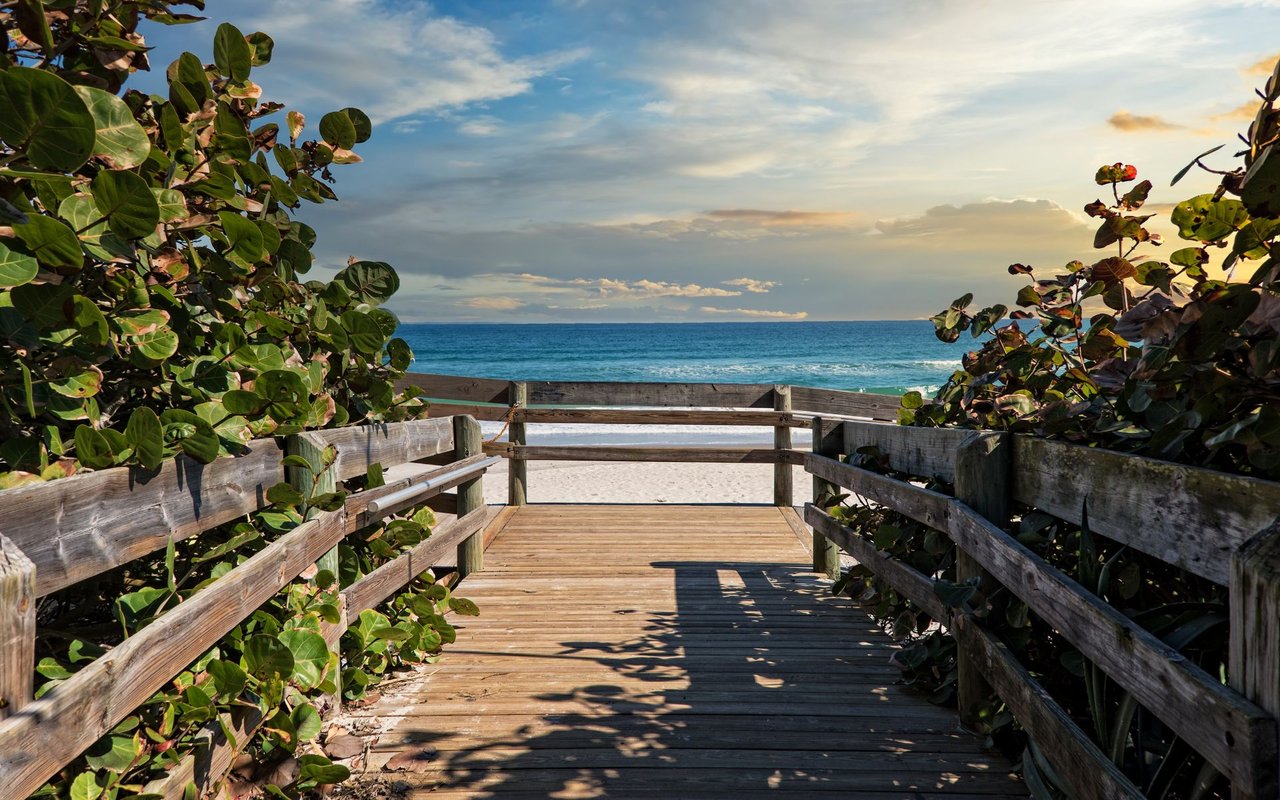
You will feel Cocoa Beach’s surf identity the moment dawn breaks. Locals scan the sandbars by the pier, Lori Wilson Park, and Minutemen Causeway, then paddle out if conditions look fun. The town’s surf culture runs deep, and the Cocoa Beach surf guide is the quick way to understand how breaks line up across the barrier island.
On clear mornings, the sunrise is your show. The east‑facing shoreline lights up early, and launch days from nearby Cape Canaveral add a little space‑coast magic to beach walks. Many residents start with a quiet stretch on the sand, then roll into the day.
After the water, coffee is the social reset. You will find a small, independent‑leaning cafe scene. Favorites locals mention include Cafe Surfinista, Juice N Java, and River Road Coffee across the causeway in Cocoa Village. Grab a porch seat, sip, and you will see neighbors flowing in after their own beach time.
Calm inshore waters are part of everyday life here. The Banana River and Thousand Islands mangrove channels are ideal for SUP and kayak, whether you have 45 minutes or a full afternoon. Operators offer everything from manatee and dolphin trips to bioluminescence nights. If you are new to paddling, look at clear‑bottom and wildlife kayak tours to learn the routes locals use.
When the sun is high, residents spread out across Lori Wilson Park, the pier, Minutemen access points, and pocket beaches for a walk, volleyball, or a picnic. Downtown’s compact blocks near the ocean make lunch runs simple, and you can be back home quickly for calls or school pickups.
As the day cools, people drift toward the pier, Main Street, and nearby Cocoa Village for dinner and short walks. Weekdays feel unrushed, and weekends bring more energy. The downtown calendar anchors social life with block parties and concerts. One hallmark is the monthly Friday Fest block party, where you can browse vendors, listen to local bands, and run into familiar faces.
If you prefer a quiet evening, a simple beach walk does the trick. Sunsets paint the river side, and you can often catch live music drifting from small venues as you head back.
Cocoa Beach is small, close‑knit, and steady year‑round. The population is about 11,300, and the city has a notable share of residents age 65 and up. Those demographics shape the weekday feel, with earlier mornings and calmer mid‑day hours. You can browse the latest counts in U.S. Census QuickFacts.
Tourism does add waves of energy, thanks to Port Canaveral cruises, beach travel, and rocket launches. That mix creates a local life that is both laid‑back and lively, depending on the day and season.
Cocoa Beach sits in a humid‑subtropical zone. Winters are mild and sunny, summers are hot and humid, and you should expect frequent afternoon thunderstorms in warm months. Hurricane season typically runs June through November. For planning, review regional data in the climate normals for the Melbourne area.
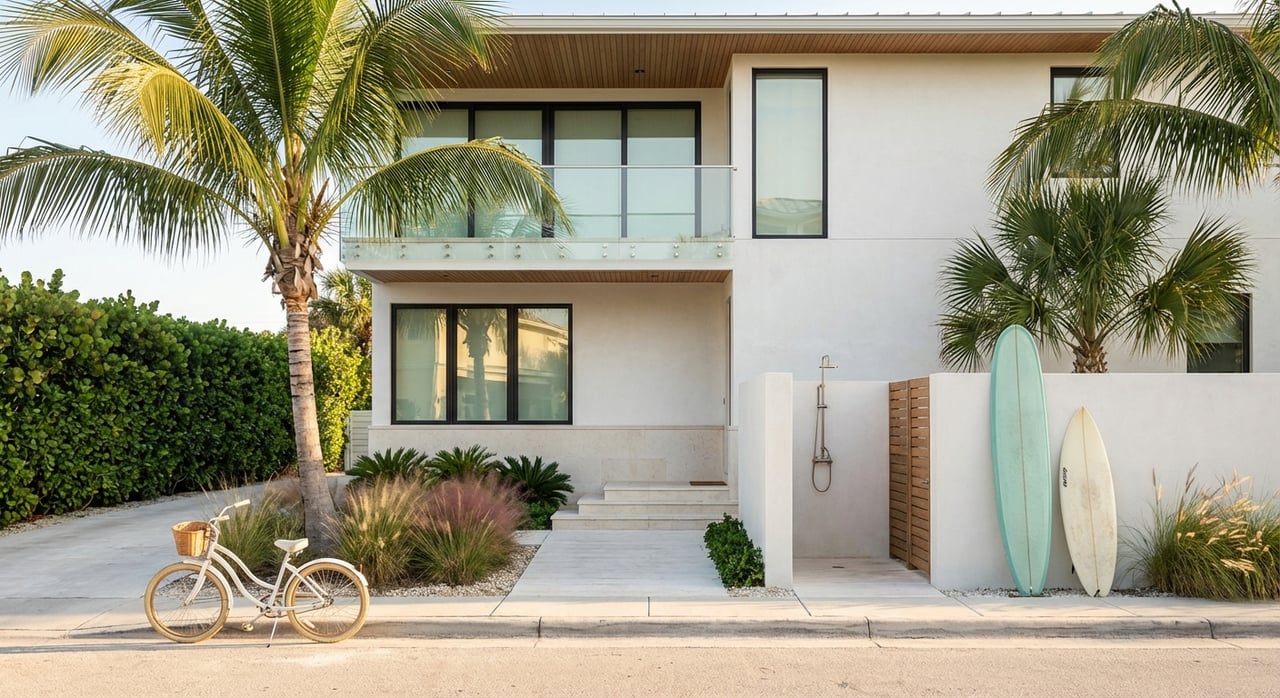
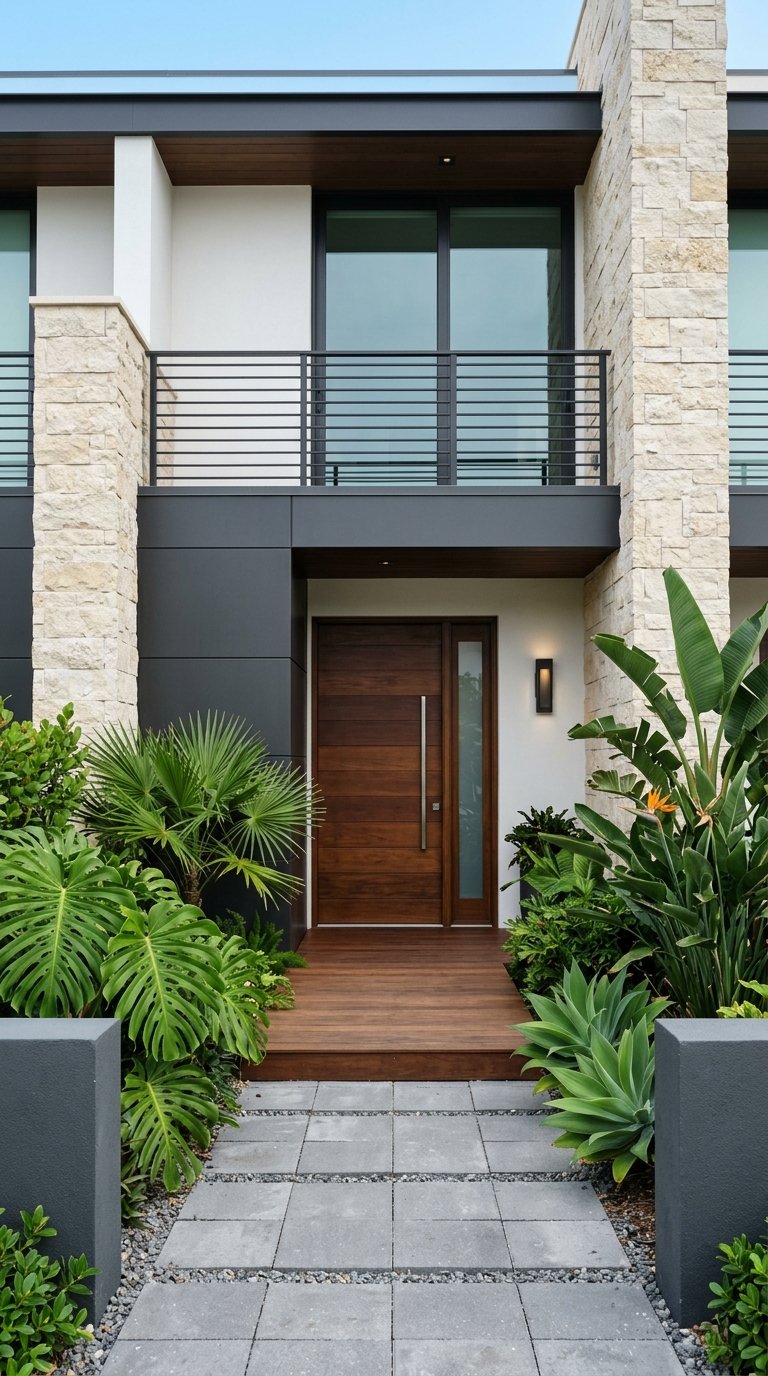
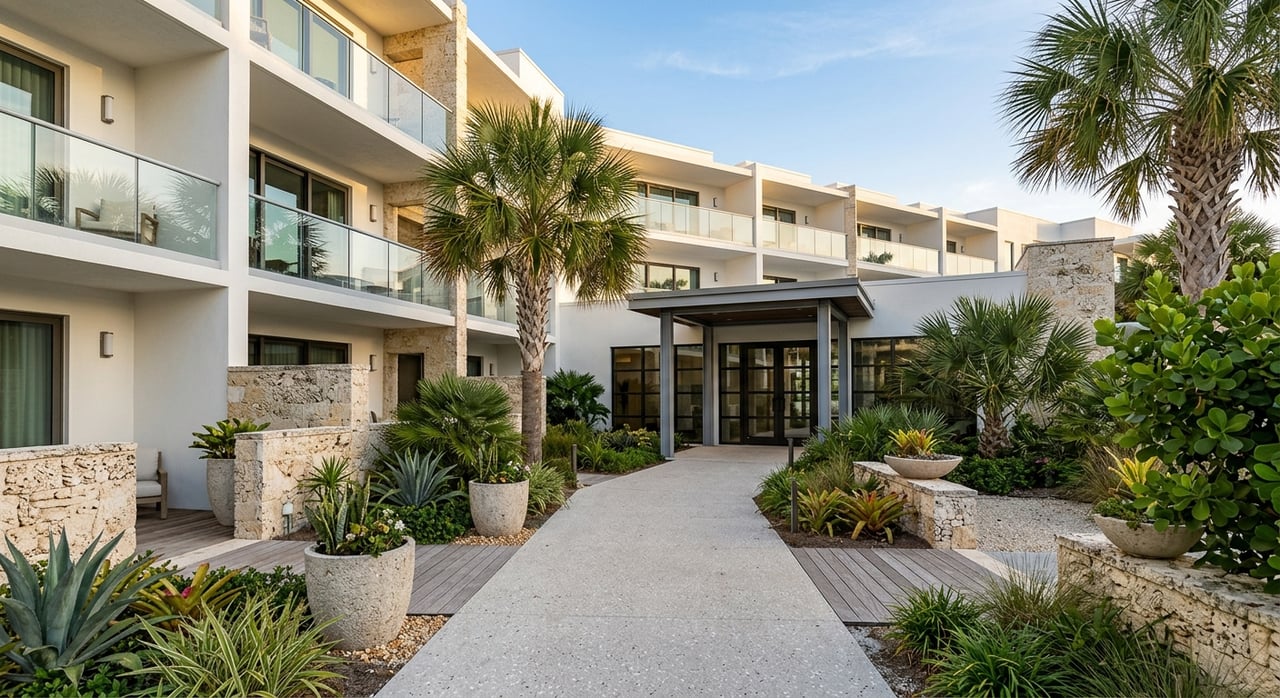
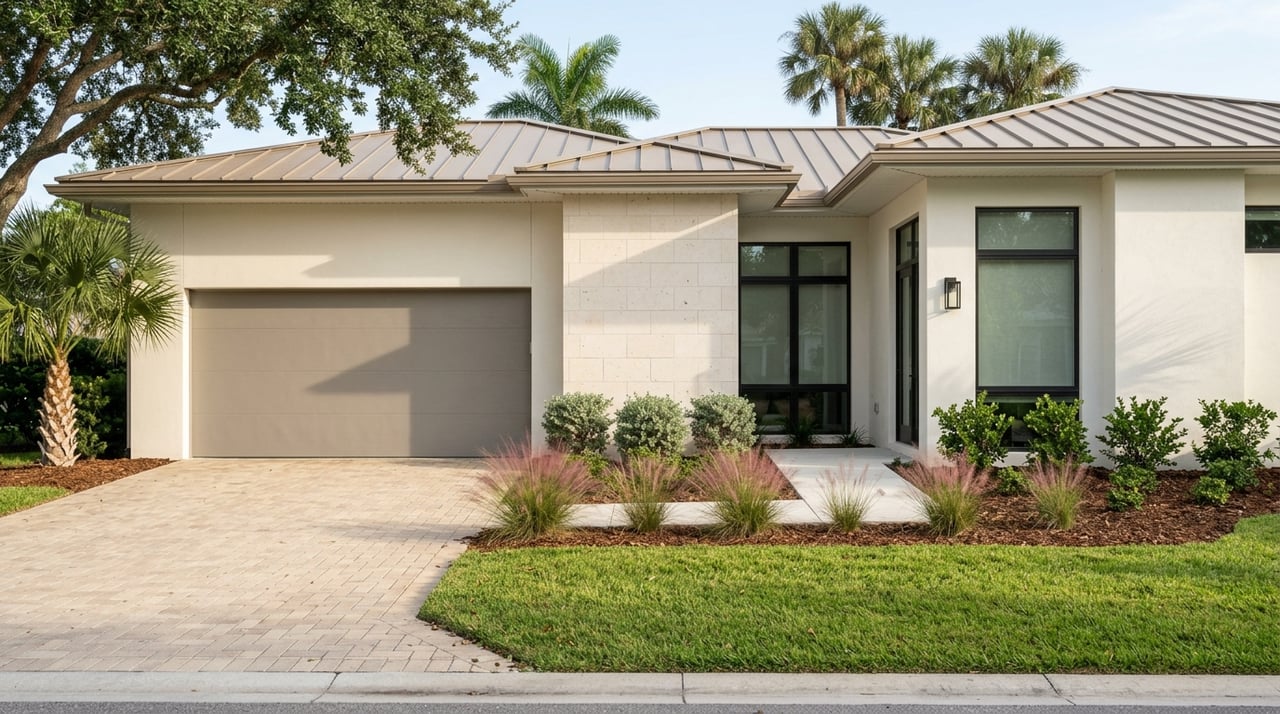
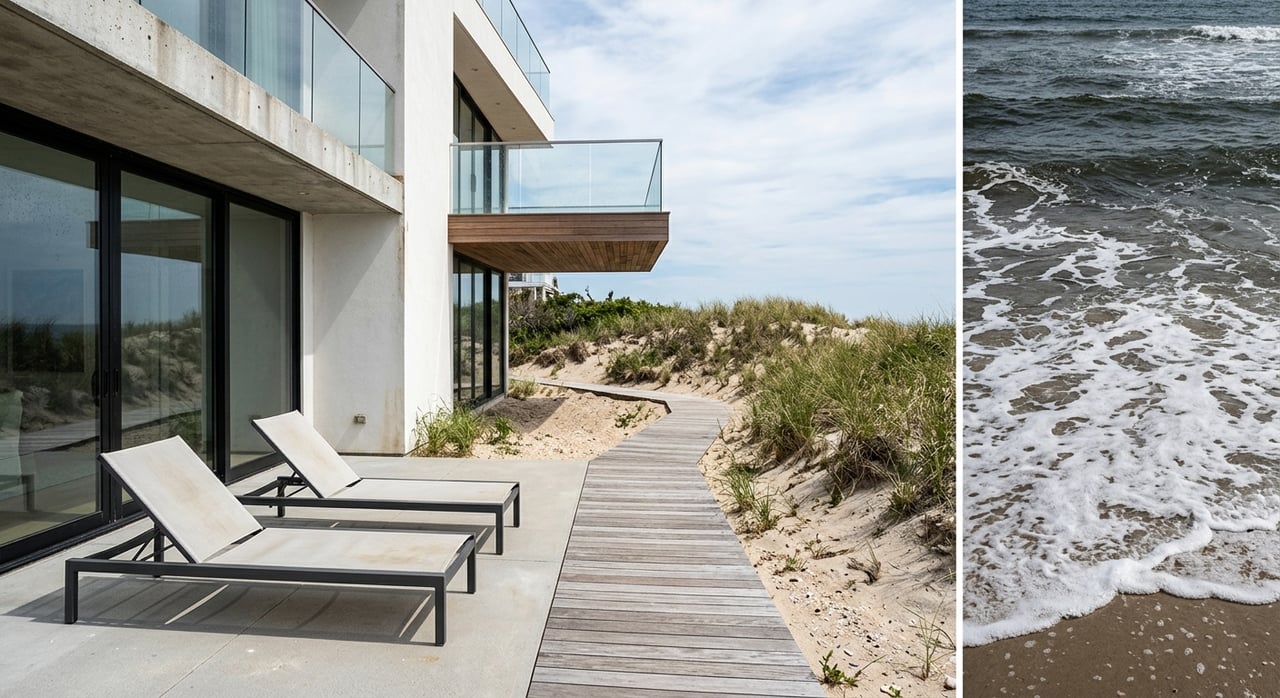
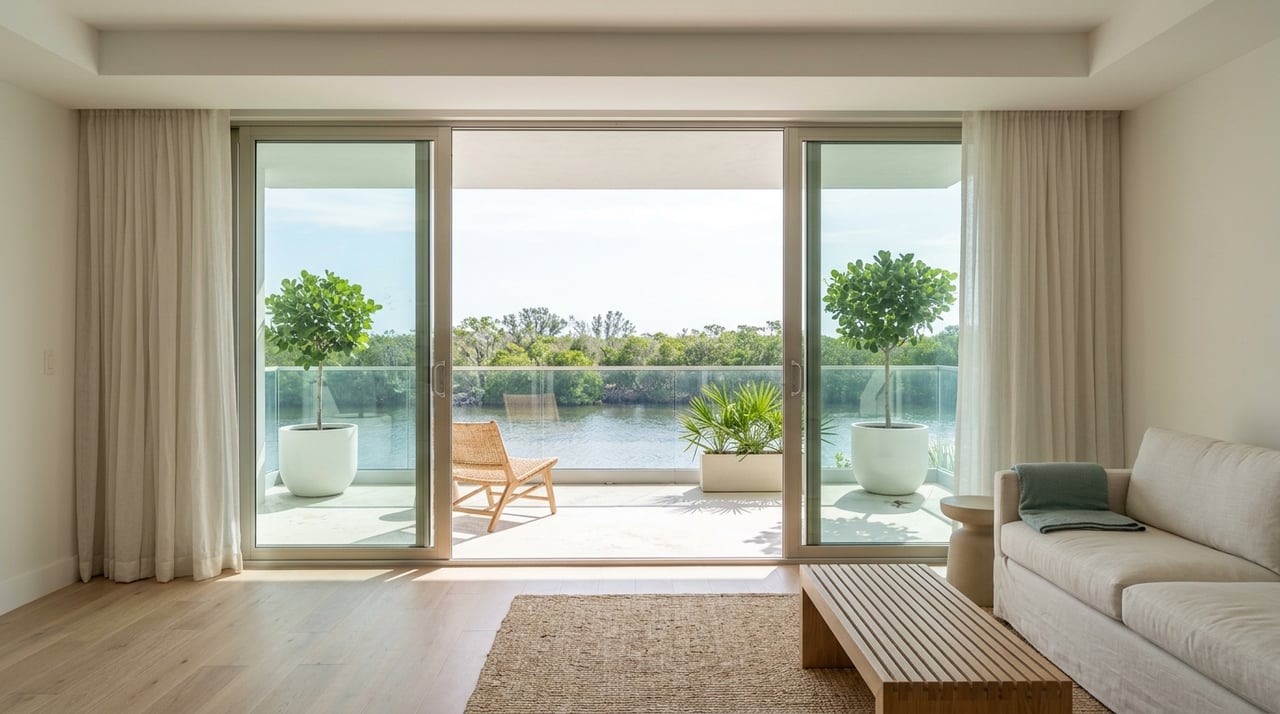
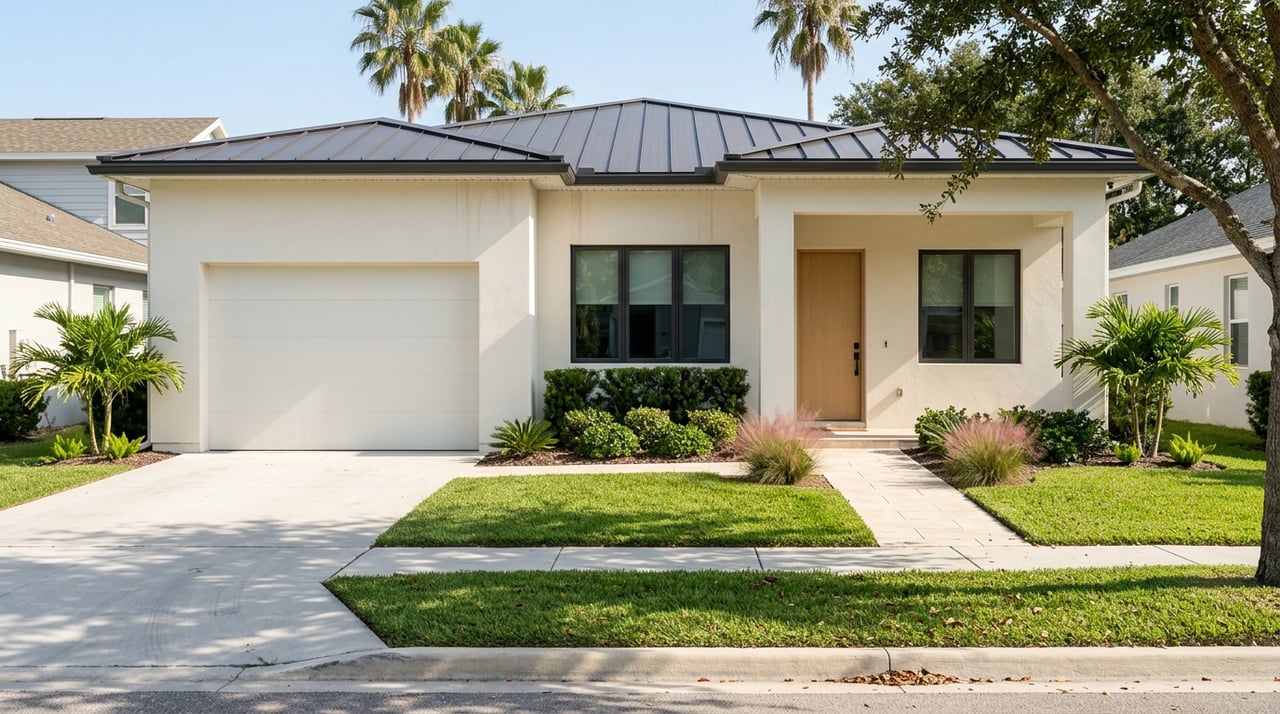
Cocoa Beach neighborhoods feel distinctly coastal. You will see:
Pricing varies widely by location and property type. Oceanfront single‑family homes and newer custom builds tend to command the highest per‑square‑foot values, while condos often give you a lower entry point and an easy lock‑and‑leave lifestyle. Inventory can change quickly, so ask for a current read on your specific budget and wish list.
Here is a simple checklist to keep your search smooth and smart.
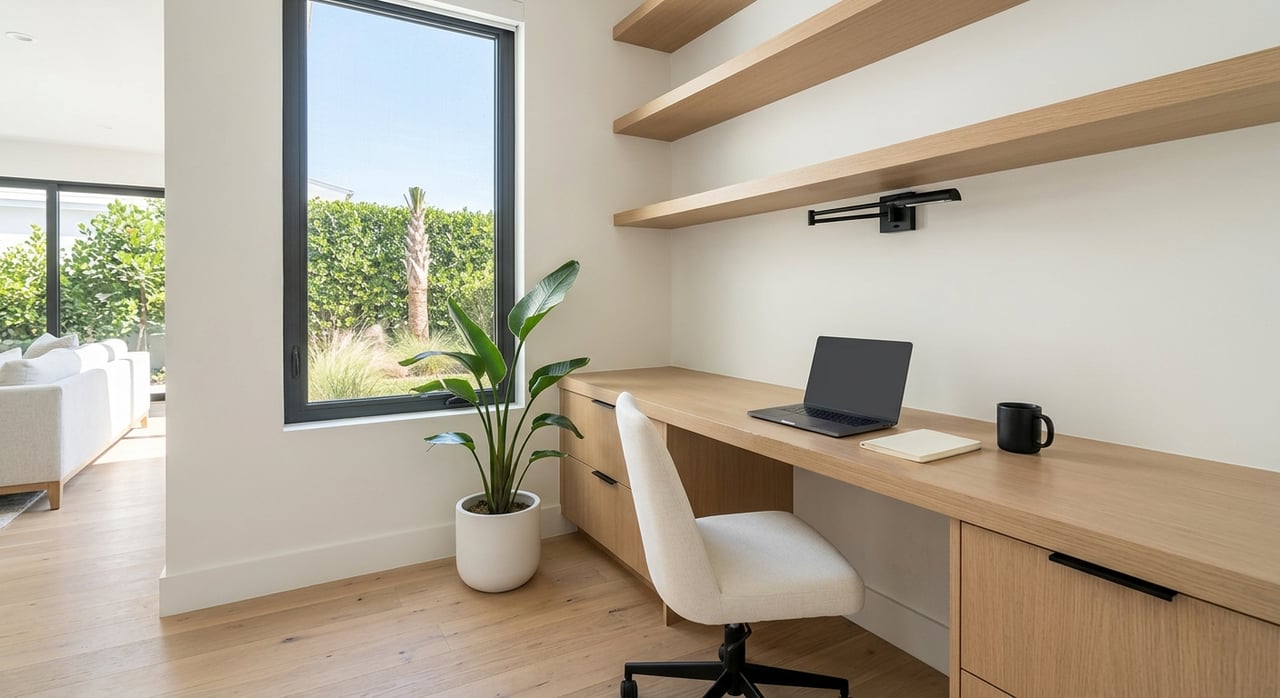
When you fit it together, everyday life in Cocoa Beach is simple and close to nature. You can surf or paddle before breakfast, work with an ocean breeze nearby, then end the day on a stroll downtown or a quiet stretch of beach. The scale of the city helps, too. It feels personal enough that your barista, surf instructor, and neighbor might all know you by name.
If this mix of surf, cafes, and easy community is what you are after, you will find it here. And when you are ready to explore homes that match your lifestyle, reach out for local, bilingual guidance. With two decades of experience across the Space Coast and Orlando, Edgar Rodriguez will help you zero in on the right street, the right building, and the right plan.
Whether you're buying, selling, or investing, he’s ready to guide you every step of the way—with integrity, care, and a deep commitment to your goals.
Edgar Rodriguez
Address
6022 Farcenda Pl Ste 101
Melbourne FL 32940