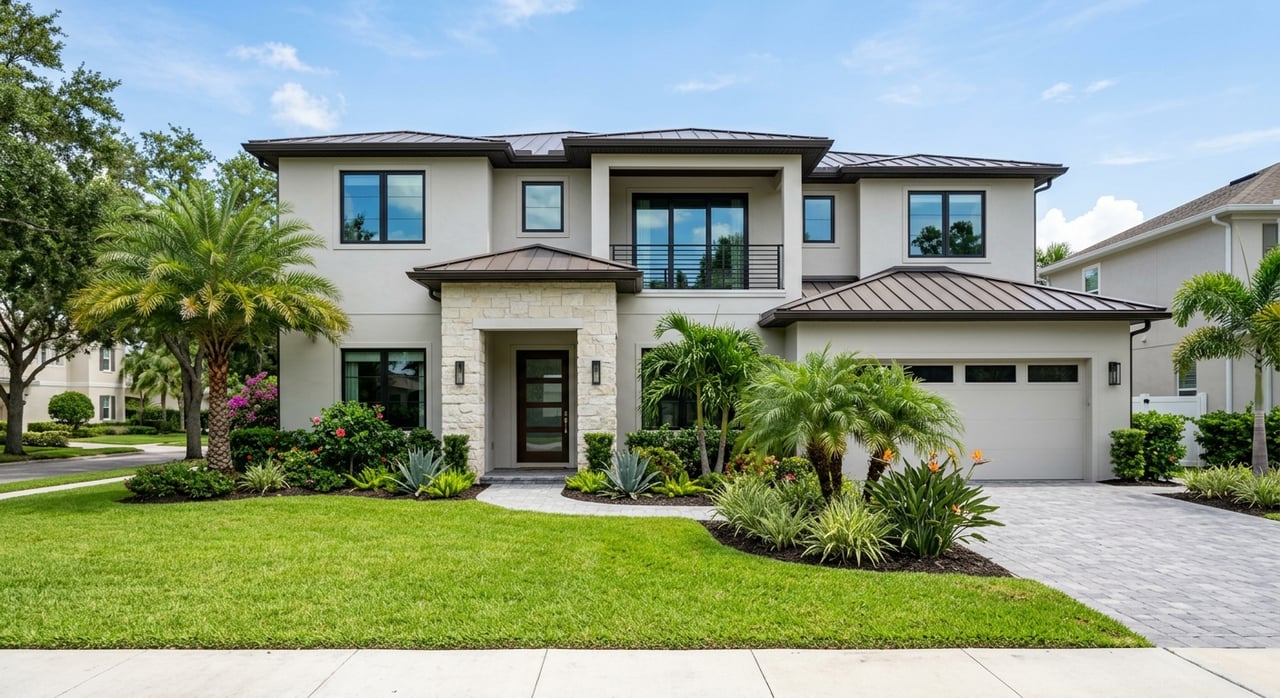
Selling a Home in Orlando: Timeline, Prep, and Pricing
If you are thinking about selling your home in Orlando, timing and preparation matter more now than they did during the frenzied seller markets of the past few years. Buyers have more options, more time to compare homes, and more room to negotiate. The good news is that with the right plan, you can still sell confidently and avoid many common delays. Here’s a practical guide to what to expect and how to prepare before your home hits the market.
In February 2026, the Orlando Regional REALTOR Association reported 11,975 homes in inventory, 6.34 months of supply, 83 average days on market, and a median price of $375,000 in the Orlando area. ORRA also noted that this level of supply is close to a balanced market, rather than a strongly seller-favored one. You can review those figures in the latest ORRA State of the Market report.
For you as a seller, that means pricing and presentation carry real weight. In a market with longer average selling times and more competition, overpricing can lead to extra time on market and stronger buyer negotiation. A thoughtful launch usually works better than a list-high-and-wait approach.
A practical home sale usually unfolds in four stages:
Based on Orlando’s February 2026 average of 83 days on market and NAR guidance showing a median of about 30 days to close after contract, a reasonable estimate is about 3.5 to 4 months from listing to closing, before you add pre-listing preparation time. That is not a guarantee, but it is a helpful planning benchmark for many sellers.
If you want a smoother move, it helps to think backward from your ideal closing date. If you hope to close by summer, for example, your prep work may need to start weeks or even months earlier.
This is the stage where you can prevent problems before they affect your sale. According to NAR’s consumer guide to preparing to sell your home, sellers should think through repairs, inspections, home condition, and paperwork before listing.
A pre-sale inspection is optional, but it can help you identify issues before buyers do. If your home has major repair needs and you do not plan to fix them, NAR recommends estimating the cost anyway so you understand how buyers may factor those issues into negotiations.
This step can help you decide what is worth repairing, what should be disclosed, and what may affect pricing. It also reduces the chance that surprises pop up during the buyer’s inspection period.
Before your home goes live, collect the paperwork buyers often ask about. NAR recommends gathering:
Having these ready can make your listing feel more organized and help support buyer confidence.
Florida sellers should not wait until the last minute to think about disclosures. Under Florida law on flood disclosure, a required flood disclosure must be completed and provided to the buyer at or before contract execution.
Florida common law also recognizes a duty to disclose known facts that materially affect the property’s value when those facts are not readily observable. Handling disclosures early helps you stay organized and lowers the risk of delays once a buyer is ready to move forward.
You do not always need a major renovation to make a strong impression. Often, the highest-value prep steps are simple and cost-effective.
According to NAR’s 2025 staging report, the most commonly recommended steps were decluttering, cleaning, and improving curb appeal. The same report found that staged homes were more likely to receive stronger offers or sell faster.
If you are short on time or budget, start here:
These updates can help buyers focus on the home itself instead of distractions.
NAR found that buyers cared most about staging the living room, primary bedroom, and kitchen. If you are deciding where to spend time and money, those spaces often offer the best return in buyer perception.
A cleaner, lighter, more open look also tends to help your photos stand out online, which matters because many buyers decide whether to schedule a showing based on the listing presentation.
In Orlando’s current market, pricing is not just about what you hope to get. It should reflect recent comparable sales, current competition, your home’s condition, local inventory, and how much negotiation room buyers may expect.
ORRA specifically tied longer market times in Orlando to the need for careful asking-price decisions and negotiation strategy. In other words, a strong launch price matters because buyers are watching value closely.
With more inventory available, buyers can compare your home to active listings nearby. They may also ask for concessions, especially since ORRA noted that lower mortgage rates and longer market times have given buyers more leverage, including room to request seller-paid closing costs.
That does not mean you need to underprice your home. It means you should launch with a number that matches the market and supports a realistic strategy.
Pricing gets buyers in the door, but marketing helps them notice your home in the first place. NAR found that professional photos, video, and virtual tours are important to both buyers’ agents and sellers’ agents.
For many Orlando sellers, that means your launch should include:
This is where a local, full-time listing consultant can help turn broad market statistics into a plan that fits your property.
Once you accept an offer, the process is not finished yet. This stage often includes inspections, appraisal, title work, lender approval, and final settlement steps.
According to NAR’s guide to steps between signing and closing, lenders usually require a home appraisal and title search, and delays can happen during this period. In NAR’s February 2025 survey, 13% of contracts had delayed settlements, and 7% were delayed by appraisal issues.
A few of the most common causes include:
This is another reason why early prep helps. If you address condition issues, gather documents, and plan disclosures before listing, you may reduce the chances of a stressful surprise later.
Closing day is when funds and title are officially transferred. The seller, buyer, settlement agent, and sometimes an attorney or escrow officer coordinate the final steps.
The Consumer Financial Protection Bureau notes that the buyer must receive the Closing Disclosure at least three business days before closing. That review window helps everyone confirm the final numbers and resolve issues before signing.
For you, closing day usually includes signing the required documents, confirming final terms, and completing the transfer process. Your exact experience may vary depending on the transaction details, but the goal is the same: a clean handoff with no last-minute confusion.
If you want a straightforward roadmap, focus on these steps:
In a near-balanced Orlando market, good preparation can help you stand out. It can also support stronger first impressions, smoother negotiations, and fewer preventable delays once you are under contract.
If you are planning a move in Orlando or anywhere in Central Florida, working with someone who understands local inventory trends, pricing strategy, and presentation can make the process feel much more manageable. If you want personalized guidance on timing, prep, and listing strategy, connect with Edgar Rodriguez for clear, local support every step of the way.



Whether you're buying, selling, or investing, he’s ready to guide you every step of the way—with integrity, care, and a deep commitment to your goals.

Edgar Rodriguez
Address
6022 Farcenda Pl Ste 101
Melbourne FL 32940