Is Buying Your First Home in Palm Bay the Right Move?
If you’re dreaming of your first home on Florida’s Space Coast, Palm Bay might be the sweet spot between value and lifestyle. You want a place that fits your budget, offers realistic commute times, and has options that do not require a full gut remodel. In this guide, you’ll see what buyers are actually paying, what starter homes look like here, how new construction fits in, and the timeline and budget you should expect. Let’s dive in.
Palm Bay sits on the more affordable end of the Space Coast market. Recent MLS-based reporting put the median sale price near $319,000 as of February 2026, with market tempo slower than the 2020–2022 peak. Local medians can vary by 10 to 20 percent depending on the source and whether you look at closed sales or estimated values, so always compare apples to apples.
If you rent today, Palm Bay’s median gross rent is around $1,600 per month. That gives you a quick way to weigh rent versus buy and to set a comfortable monthly payment target. You can review these local housing stats in the Census QuickFacts for Palm Bay, including commute and rent snapshots.
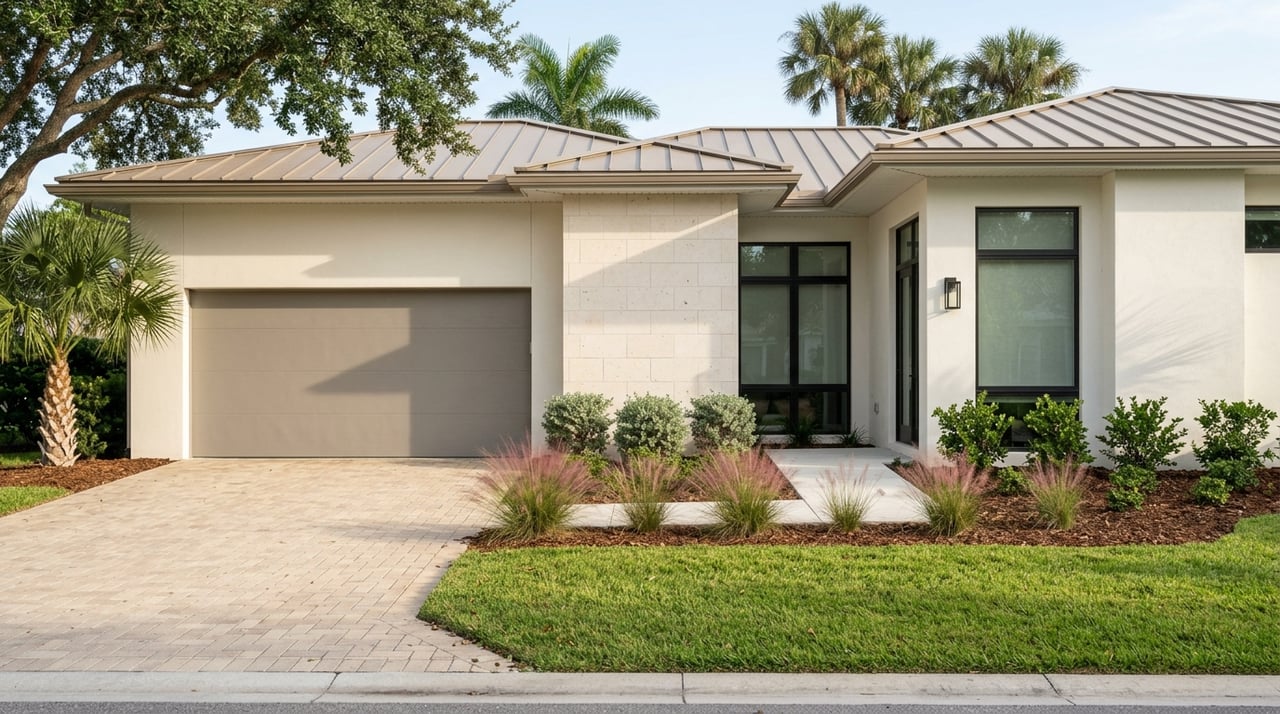
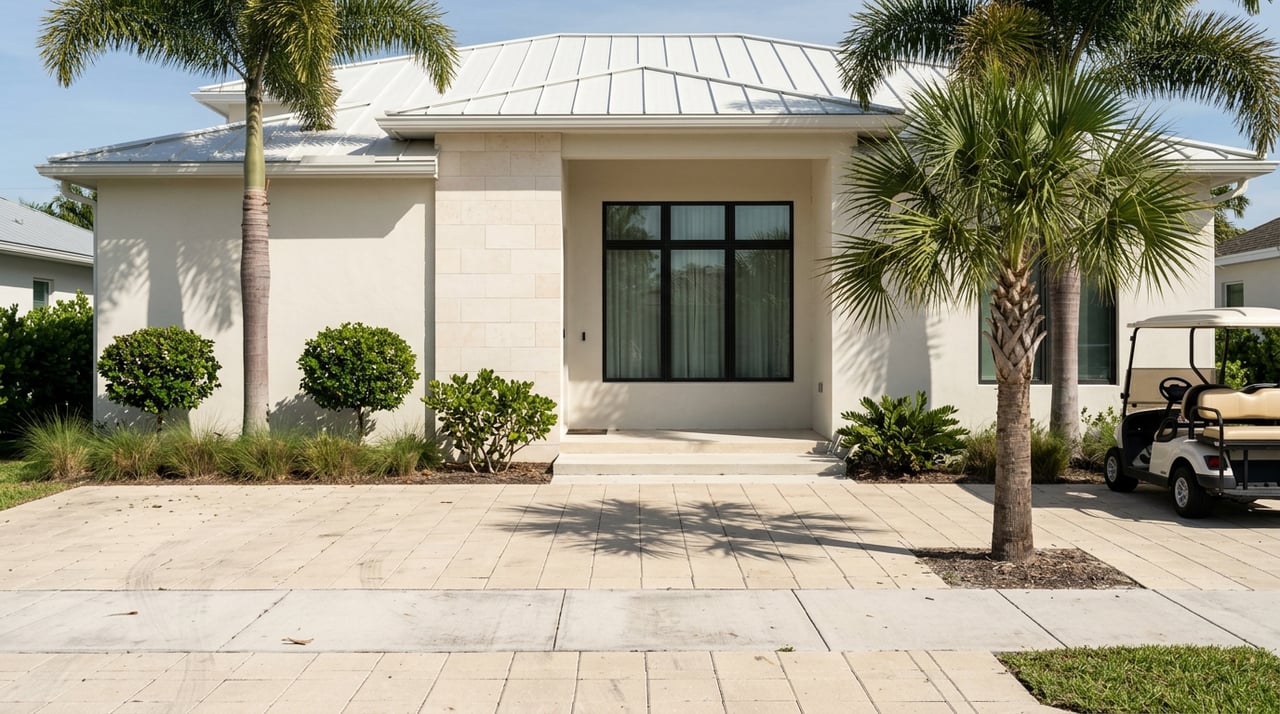
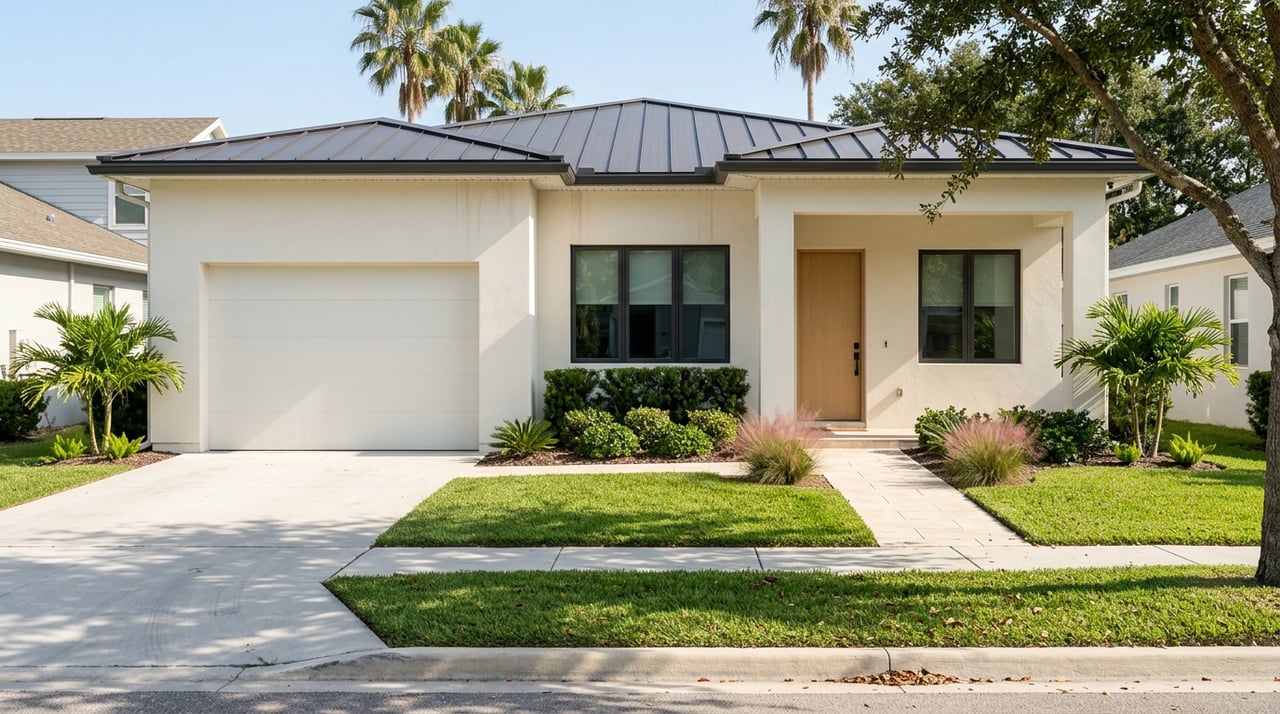
Palm Bay is dominated by single-family, one-story homes, and the city has a high owner-occupied share. That translates to steady resale inventory of traditional houses. You will also see manufactured/mobile homes and some townhome or condo options, which tend to be a smaller slice of local listings.
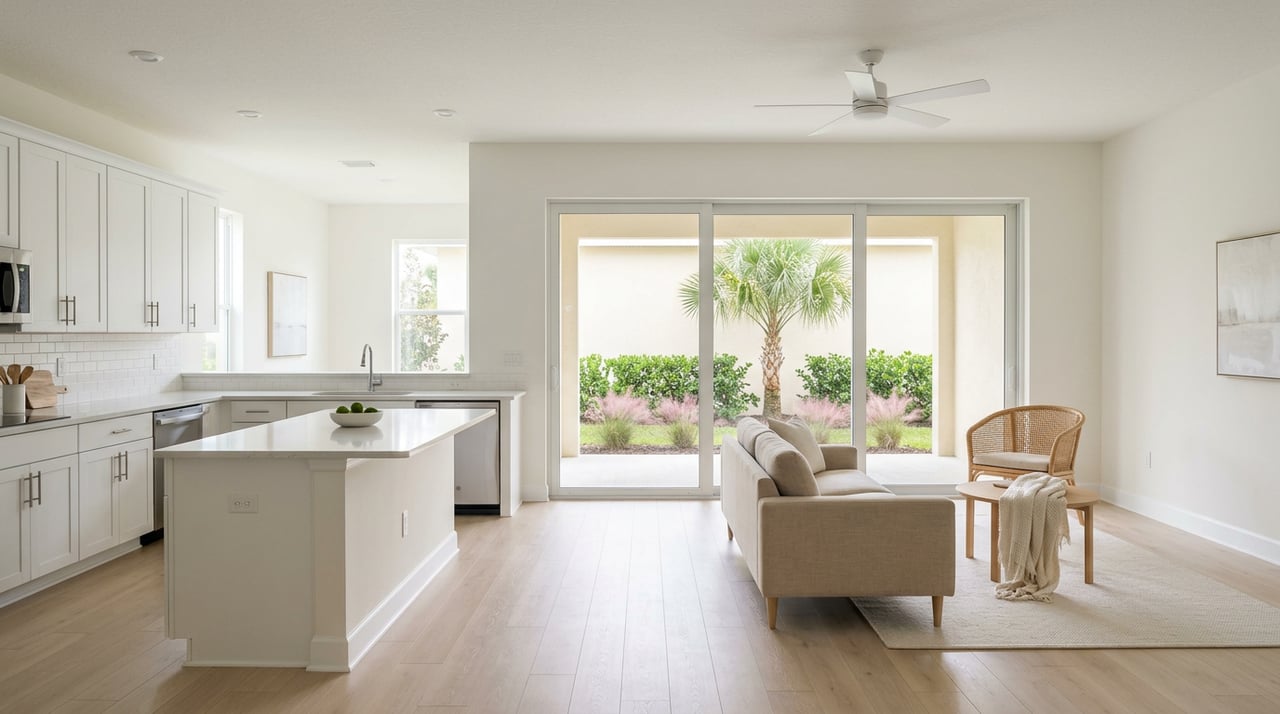
A common “starter” target here is a 3-bed, 2-bath home between about 1,100 and 1,900 square feet. Older ranch homes often land at the lower price points, while newer open-plan builds and move-in-ready resales sit higher in the starter band.
Palm Bay has distinct pockets at different price levels. Recent neighborhood medians showed patterns like these: 32905 near the high-$200Ks, 32907 around the mid-$300Ks, and 32908–32909 also in the mid-$300Ks. Medians move month to month, but the takeaway is clear: target ZIPs that match your budget and daily needs.
Several master-planned communities are active in Palm Bay. Projects marketed under Everlands/Riverwood and Emerald Lakes have phases with national builders. In many cases, smaller 3-bedroom plans in these communities start in the low to mid $300Ks, with larger or amenity-rich lots pushing prices higher.
Why consider new? You get warranty coverage, newer mechanicals, and sometimes the chance to pick finishes. Tradeoffs include a price premium versus older resale, possible HOA or CDD fees, and waiting if you choose a to-be-built lot. Timelines for production single-family homes often run about 6 to 10 months from contract to completion, while inventory homes can close much sooner. For national completion trends, see NAHB’s analysis of Census data on build times. Read more about recent single-family build timelines.
Palm Bay residents report a mean travel time to work of about 27.8 minutes. That reflects a mix of short local drives and longer commutes across Brevard County. The city is served by I-95 for regional trips, with U.S. 1 and Babcock Street (SR 507) handling much of the local north–south flow. If you work near Melbourne, Patrick Space Force Base, or the Kennedy Space Center area, Palm Bay can be a practical home base.
Brevard Public Schools, the district that includes Palm Bay, earned an overall “A” rating in the 2024–2025 cycle. Individual school grades vary by campus, so confirm the school zone for any specific address and review the most current ratings. A recent local summary highlighted the district’s scorecard. See the district rating summary.
Property taxes depend on your property’s millage code, assessed value, and exemptions. The City of Palm Bay’s portion of the 2025 millage is 7.6993. To estimate taxes for a particular home, use the Brevard County Property Appraiser’s resources and confirm exemptions like Homestead. Review the county’s 2025 millage schedule.
Florida is a hurricane state, so price and availability of homeowners and wind coverage can vary. For any property you consider, get quotes early, review the home’s FEMA flood-map designation, and ask for an elevation certificate on new builds. In some cases, properties may require flood insurance or may involve Citizens, the state’s insurer of last resort. Plan these checks during your inspection period so there are no surprises.
Start by collecting pay stubs, W-2s, and bank statements, then secure a mortgage pre-approval. Most letters are valid for about 60 to 90 days. Pre-approval clarifies your budget and strengthens your offer when you find the right home. For a clear primer on the process, review the CFPB’s toolkit. Explore the CFPB’s home-buying toolkit.
In Palm Bay, focused buyers often find a good starter home in a few weeks to a few months, depending on budget and flexibility. Use current price bands for each ZIP to fine-tune your search and compare new-construction timelines if you want a brand-new home. When you’re ready, write a clean offer based on recent comparable sales and the home’s condition.
Many Florida contracts allow about 5 to 10 days for inspections. Order a general home inspection and a wood-destroying organism (termite) inspection. Use findings to request repairs or a credit if needed, and confirm insurance quotes and flood-zone status during this window.
Your lender orders the appraisal while underwriting reviews your file. This stage often runs 2 to 4 weeks. Respond quickly to document requests, and remember, the Closing Disclosure must be delivered at least 3 business days before closing. The CFPB’s resources explain these timing rules. Review key mortgage timelines and disclosures.
A typical financed resale in Palm Bay closes in about 30 to 45 days from contract, if everything stays on track. Appraisal gaps, title issues, or complex contingencies can extend that window. Cash purchases and quick-move-in inventory homes can shorten it. For a practical overview of closing timelines, see this lender guide. How long does closing usually take?
If you pick a to-be-built plan with a production builder, expect roughly 6 to 10 months to completion, depending on permitting, weather, and selections. Inventory homes that are already underway can close much faster. Compare your target move-in date with the community’s realistic build window.
Example thought-starter: On a $330,000 purchase, a 3 percent estimate for closing costs is about $9,900, plus your down payment. Add projected annual taxes and insurance, then divide by 12 to check your monthly target against rent. Fine-tune with real quotes from your lender, insurance agent, and the county appraiser’s resources.
Palm Bay offers a wide range of starter options, steady access to Space Coast job centers, and realistic paths for both resale and new-construction buyers. With a clear budget, the right ZIP strategy, and a step-by-step plan, you can move from “someday” to “we’re home.” If you want a local, bilingual guide and a calm, data-informed process, connect with Edgar Rodriguez to explore your options and map your next steps.
Whether you're buying, selling, or investing, he’s ready to guide you every step of the way—with integrity, care, and a deep commitment to your goals.
Edgar Rodriguez
Address
6022 Farcenda Pl Ste 101
Melbourne FL 32940