Moving to Orlando but not sure which suburb fits your life, commute, and budget? You are not alone. The metro offers many great options, from walkable in-city neighborhoods to master-planned communities and lakefront living. In this guide, you will learn how to narrow your choices quickly, compare popular areas, and build a short list with confidence. Let’s dive in.
Start with your top priorities
Before you scroll listings, get clear on what matters most. A simple plan keeps you focused and saves time.
- Rank your top 4: commute time, budget, schools, and lifestyle (walkability, parks, dining).
- Draw two commuting circles: one around your workplace, one around school or childcare. Focus on the overlap.
- Filter home needs: must-haves (bedrooms, garage, lot size) vs nice-to-haves (pool, lake access).
- Add amenities: proximity to grocery, healthcare, parks, and dining that match your routine.
- Check monthly costs: include HOA fees and homeowners insurance in your budget.
- Review school fit with district maps and official report cards.
- Visit at different times: rush hours, weekends, and evenings.
Commute fit across Orlando
Orlando’s job clusters include Downtown Orlando, Lake Nona Medical City, the theme-park corridor, Orlando International Airport, and UCF/Research Park. The main arteries are I-4, 408, 417, 429, and 528. Congestion is common during peak hours, and the region is mostly car-dependent. LYNX buses and SunRail serve select routes, but many daily commutes still rely on driving.
- Test drives: simulate your commute during morning and evening peaks. Try alternate routes on I-4, 408, or local roads.
- Parking: downtown garages and tourist areas may have higher costs or limited options. Suburbs often include driveways and garages.
- HOAs: ask about guest parking policies if you expect frequent visitors.
If you work in Downtown Orlando
- Good fits: College Park, Downtown/Thornton Park, Winter Park, Baldwin Park.
- Commute notes: 5 to 20 minutes off-peak from nearby neighborhoods; plan for I-4 or 408 traffic during rush hours.
- Lifestyle: best access to walkable dining, culture, and venues.
If you work in Lake Nona Medical City or near MCO
- Good fits: Lake Nona, southeast Orlando, parts of Conway.
- Commute notes: 417 and 528 offer direct routes; expect tolls on some expressways.
- Lifestyle: newer master-planned communities, parks, and health-focused amenities.
If you work in the Theme-Park corridor
- Good fits: Dr. Phillips, Windermere, southwest Orange.
- Commute notes: shorter drives to attractions, dining, and hospitality hubs.
- Lifestyle: upscale dining and access to resort-area amenities.
Lifestyle and amenities snapshot
Orlando gives you choices, whether you value walkability, dining, or outdoor time.
- Walkable urban cores: Downtown Orlando, College Park, Winter Park, and Baldwin Park offer active main streets, events, and local shops.
- Dining and nightlife: Mills 50, the Milk District, Thornton Park, Church Street, Park Avenue in Winter Park, and Restaurant Row in Dr. Phillips.
- Outdoor living: lakes for boating, the West Orange Trail in Winter Garden, and golf and country club options across the metro.
- Everyday essentials: look for neighborhood parks, community centers, library branches, and easy access to urgent care or hospitals.
Housing types and budget tiers
You will see a mix of home styles across Orlando. Your choice often depends on commute goals and budget.
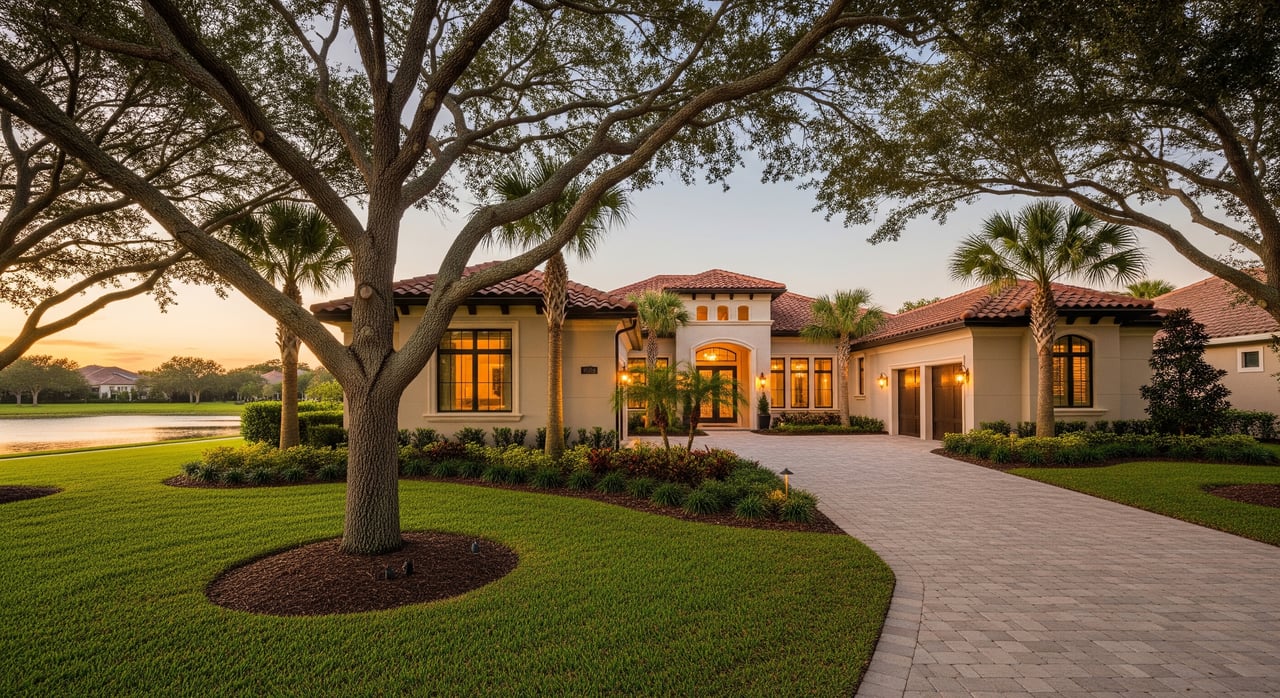
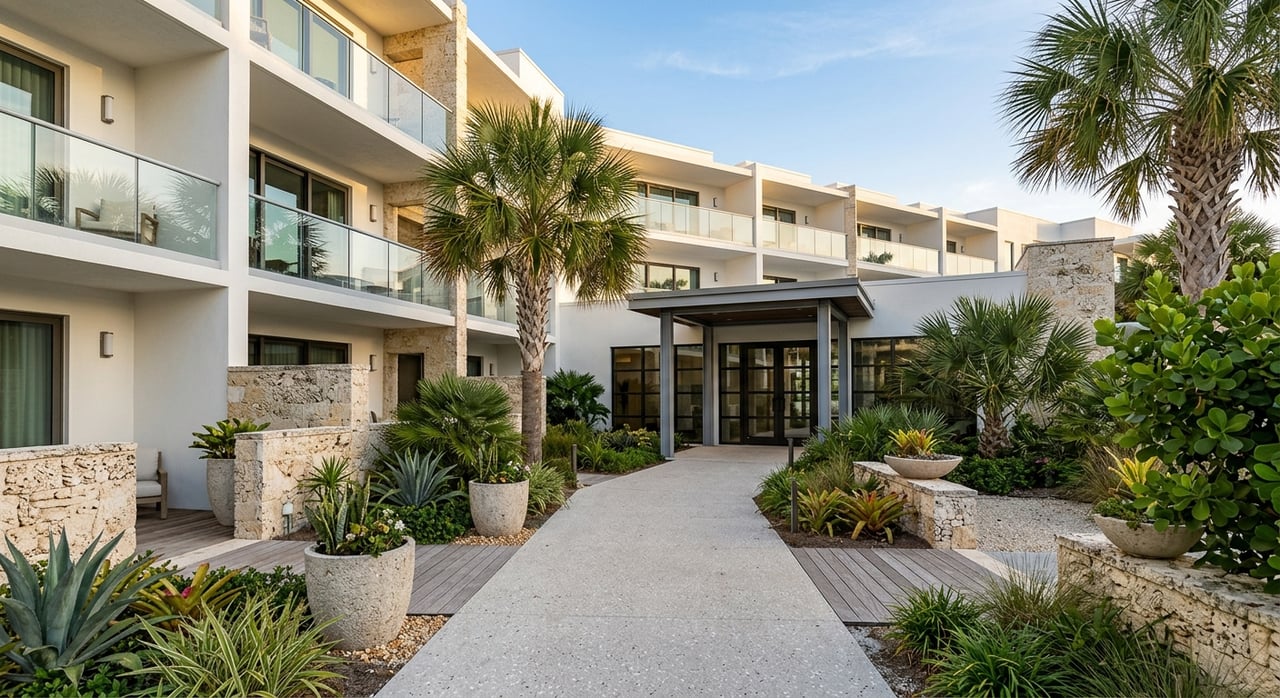
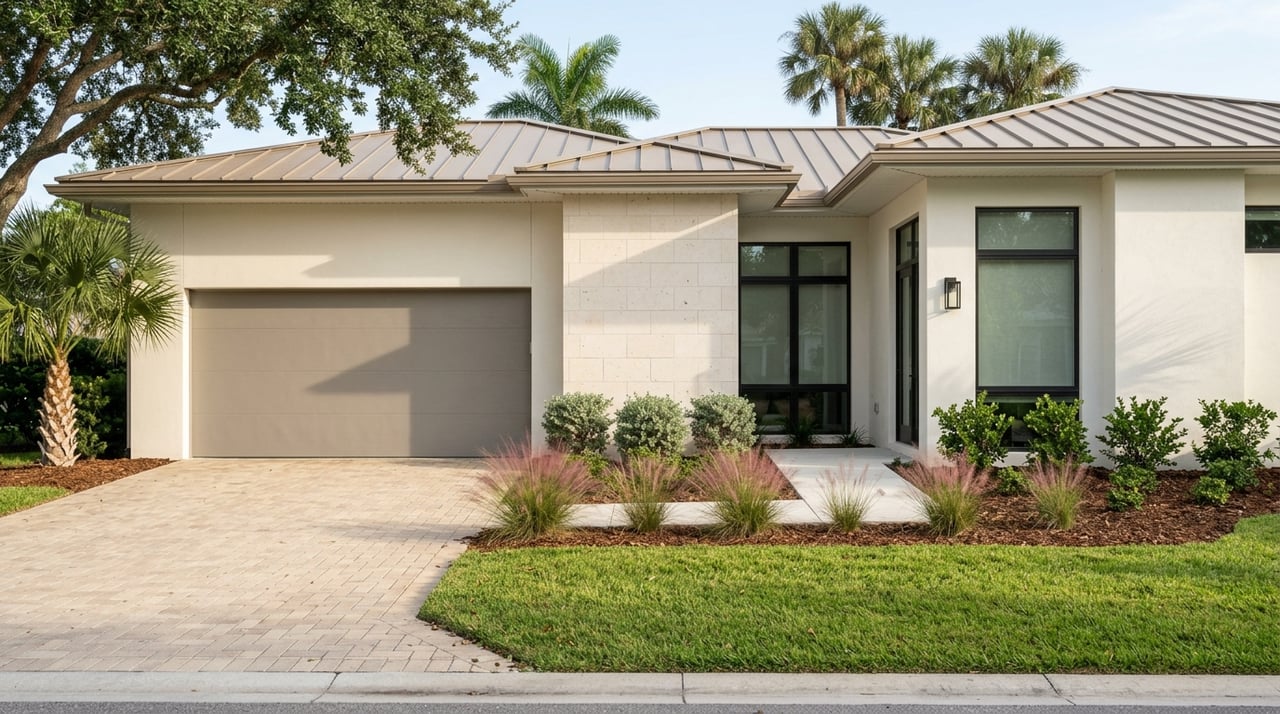
- Home types: single-family homes dominate the suburbs. Townhomes and condos appear in closer-in areas and planned communities. New construction is common in master-planned neighborhoods.
- Entry-level options: older single-family homes, smaller footprints, and many condos or townhomes.
- Mid-range: larger single-family homes in established suburbs, plus newer townhomes.
- Upscale: lakefront properties, luxury new builds, and gated communities.
- HOA realities: many newer subdivisions include HOAs. Fees and rules vary, so review budget impacts, what the fees cover, and any special assessments.
- Age and maintenance: older homes can charm, but plan for inspections and updates. New construction may carry a premium, yet offers modern features.
Compare popular suburbs and neighborhoods
Use this quick-reference snapshot to align your short list with your commute, lifestyle, and housing goals.
In-city options (Orlando proper)
South and southwest Orange
West Orange growth corridors
Nearby counties to compare
Seminole County (Altamonte Springs, Sanford)
- Commute: north to downtown and UCF; some SunRail access in select nodes.
- Housing: established suburbs with mid-range pricing.
Osceola County and Lake County (Kissimmee, St. Cloud, Clermont)
- Commute: longer drives to downtown; appeal for theme-park workers.
- Housing: more affordable single-family options, more auto-dependent areas.
Schools and family planning
Public education is primarily through Orange County Public Schools. Several magnet and zoned schools across the metro are commonly cited as strong, and some families also consider private options in specific pockets. Always confirm current school boundaries, program availability, and any waitlists for childcare.
- Use official district maps and state report cards for the most accurate view.
- If private education is a priority, look into availability early.
- Balance school goals with commute, budget, and home type.
Market dynamics and buying strategy
Orlando saw strong price growth in 2020 to 2022. In 2023 and 2024, higher mortgage rates led to a cooler, more balanced market with more inventory. New construction remains active in master-planned communities.
- Out-of-state timeline: consider a temporary rental while you tour in person and finalize your neighborhood choice.
- Inspections and insurance: plan thorough inspections and review homeowners and wind/hurricane coverage. Verify flood zone status if applicable.
- Negotiation approach: compare resale and new-construction options. Builders may offer incentives, while well-priced resales can still move quickly.
Relocation logistics checklist
Set up your move with fewer surprises by following a focused plan.
- Commute tests: drive at rush hours from your top 3 neighborhoods to your workplace and regular errands.
- Property taxes and exemptions: learn Orange County’s millage rates and homestead exemption deadlines.
- Utilities: confirm providers and average monthly costs when evaluating neighborhoods.
- Insurance and risk: check elevation and flood zone status, then price homeowners insurance that fits local conditions.
- Registration: plan for vehicle and voter registration after you move.
- Remote search tools: request video tours, neighborhood walk-throughs, and detailed inspection reports from your agent.
Build your short list today
You can simplify a complex decision with a simple scoring method. Create a 0 to 5 scale for each priority (Commute, Price, Schools, Amenities, Home Type, Walkability), then multiply by a personal weight from 0 to 3. Add scores for each neighborhood. This gives you an objective ranking to guide tours and offers.
When you are ready to compare homes, work with a local team that knows both the in-city neighborhoods and the suburban new-construction corridors. For bilingual, concierge-level guidance and virtual support for out-of-state moves, connect with Edgar Rodriguez.
FAQs
Which Orlando suburb is best near the airport?
- Southeastern Orlando areas, including Lake Nona and parts of Conway, often provide shorter drives to MCO, with direct routes on 417 and 528.
What are good Orlando areas for walkability?
- Downtown Orlando, Winter Park, College Park, Baldwin Park, and parts of Mills 50 and the Milk District offer higher walkability compared with typical suburbs.
Where do buyers often find more house for the money?
- Outlying west and northwest pockets like Ocoee and Apopka, and nearby counties such as parts of Osceola and Lake counties, usually offer lower entry prices with longer commutes.
How common are HOAs in Orlando suburbs?
- HOAs are common in master-planned and newer subdivisions; fees and rules vary, so review what is included and any assessments before you buy.
What should I know about hurricanes and flooding in Orlando?
- Orlando is inland, but heavy rains and localized flooding can occur; verify flood zones and plan for homeowners insurance that includes wind or hurricane coverage.
How can an out-of-state buyer search efficiently?
- Use a local agent for video tours, request detailed inspection reports, verify commute times at realistic hours, and consider a short-term rental to finalize your choice in person.