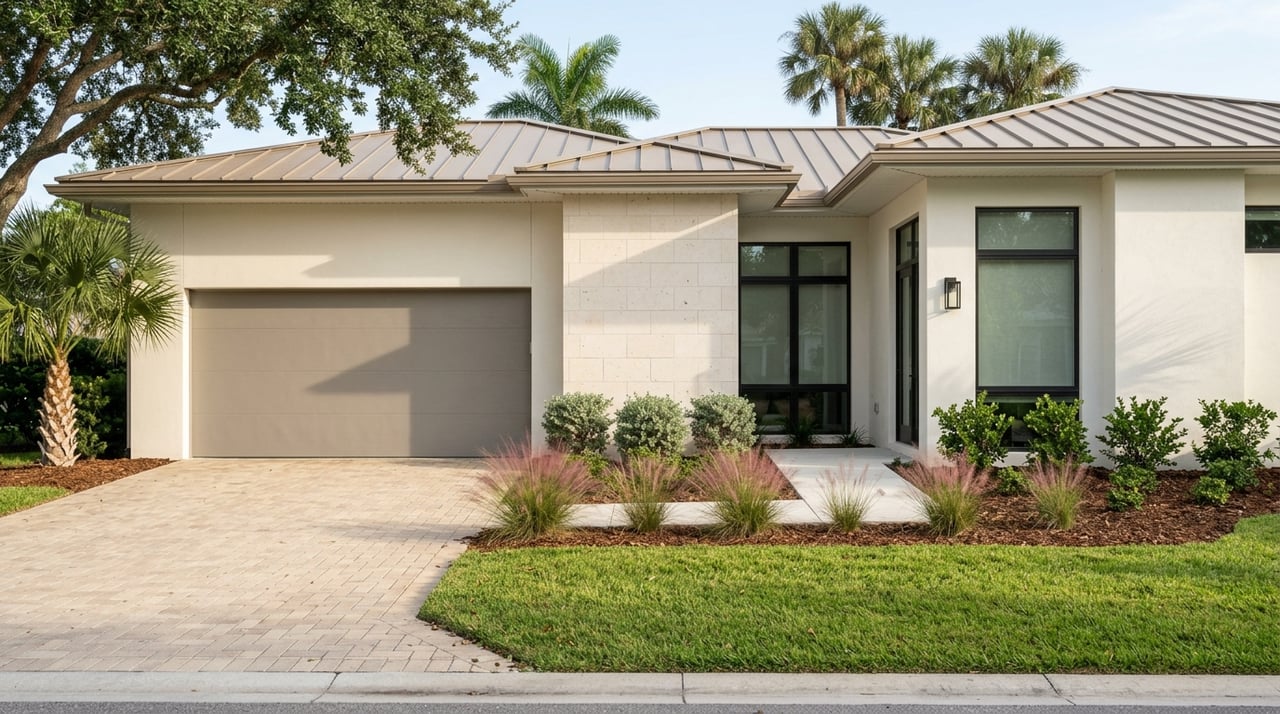
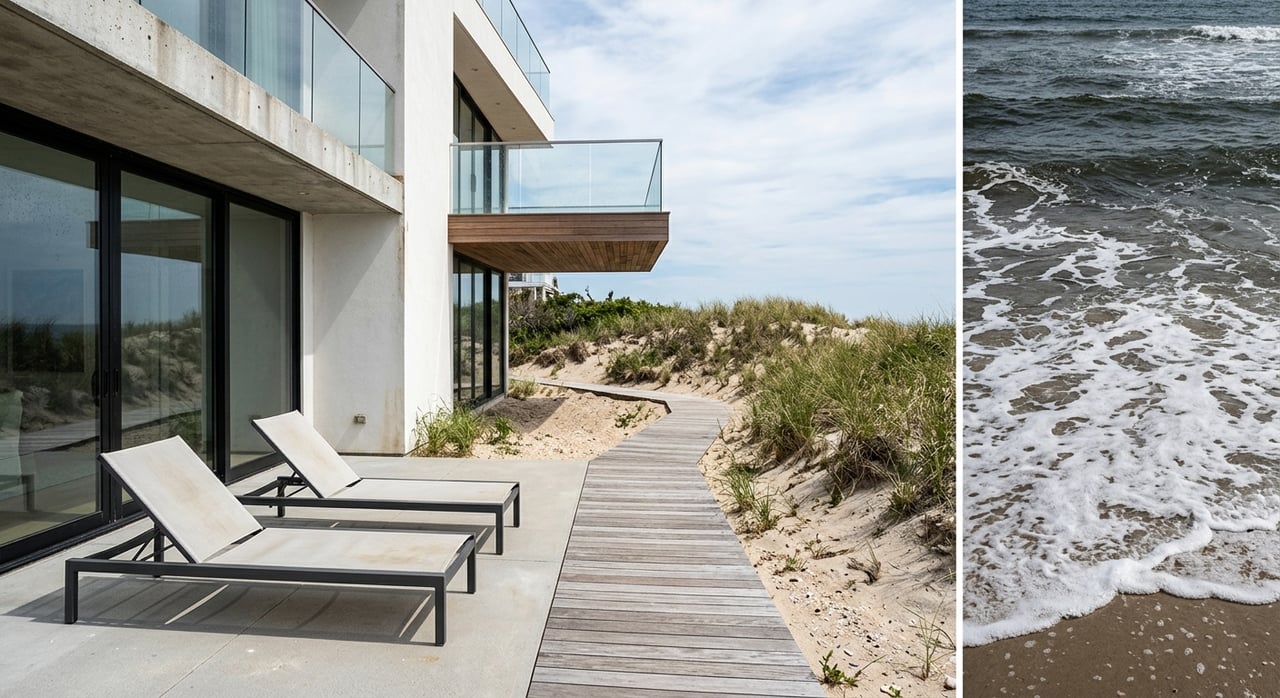
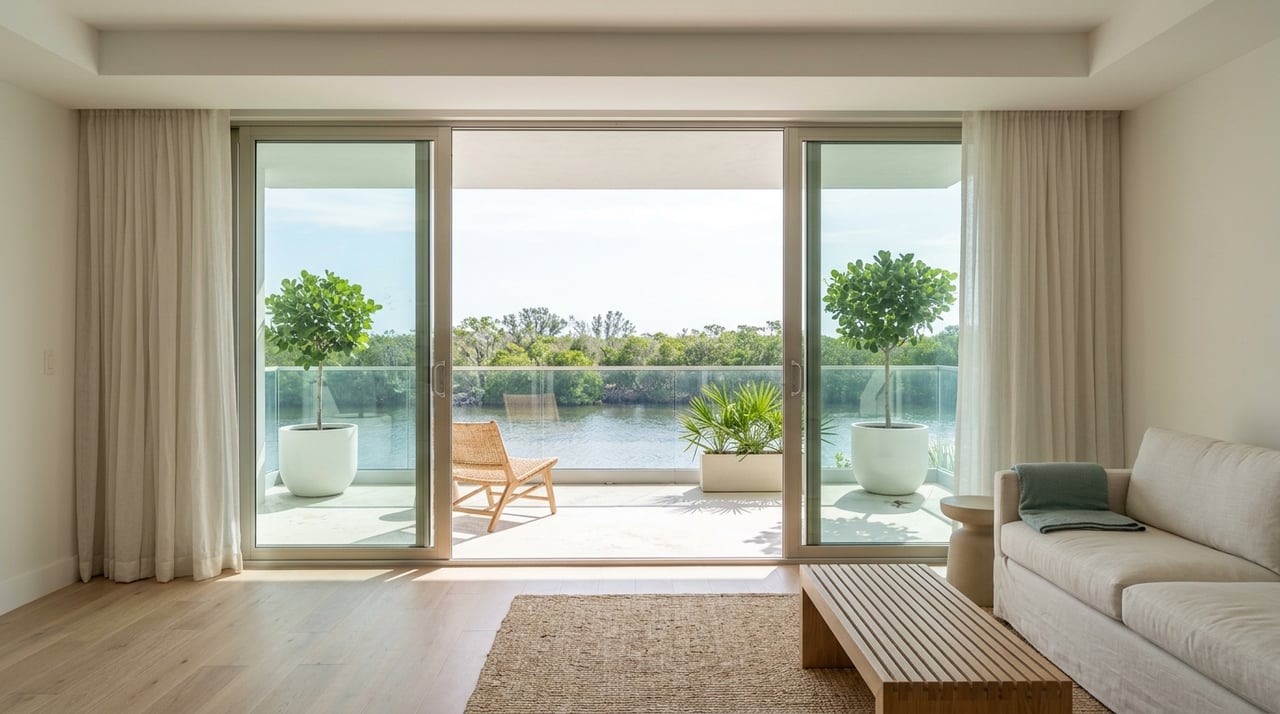
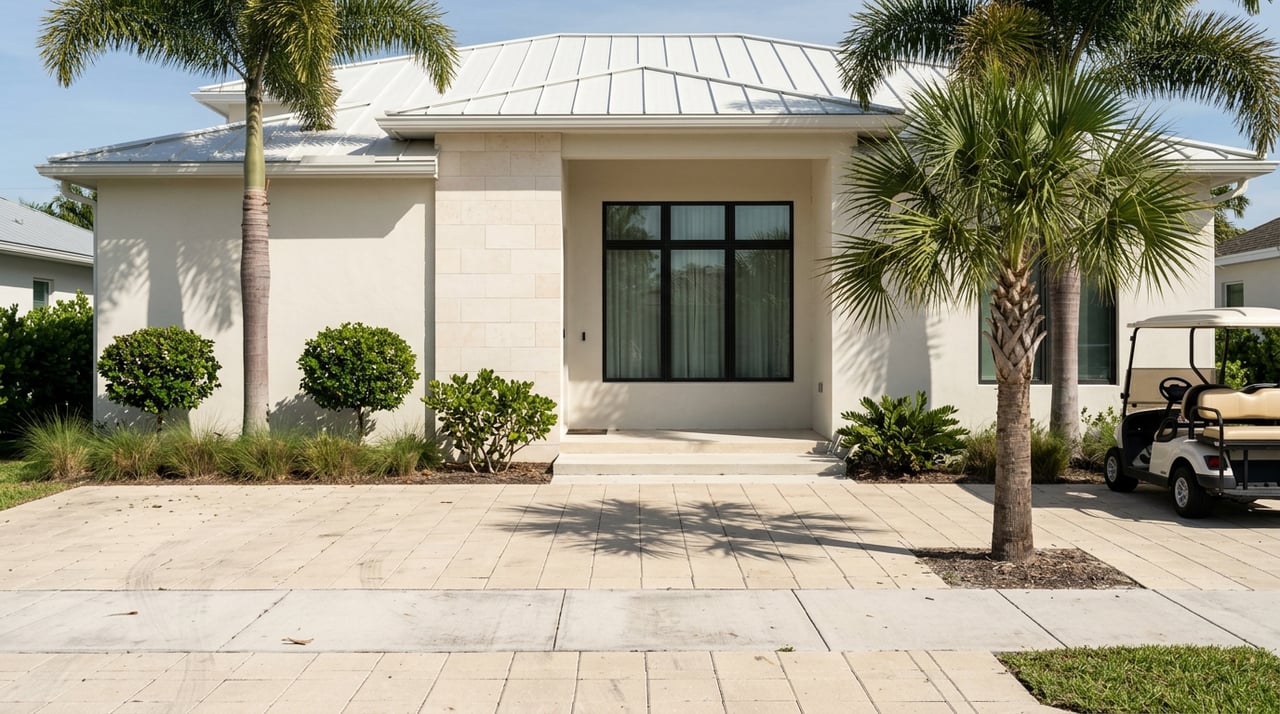
Thinking about a brand-new home in Palm Bay but not sure where to start? You are not alone. With so many communities, timelines, and features to compare, it is easy to feel overwhelmed. In this guide, you will learn the key trends shaping new construction in Palm Bay, how to spot real value, and the exact questions to ask before you sign. Let’s dive in.
Why Palm Bay new builds stand out
Palm Bay sits in Brevard County on Florida’s Space Coast. Buyers are drawn to the area because there is more available land, prices are often more approachable than some nearby master-planned areas, and the location offers access to jobs in Melbourne and Viera along with coastal amenities.
You will find a range of new-home options. These include single-family subdivisions, small master-planned communities, infill lots, and select 55-plus projects. National and regional builders are active, and you may also see local developers building on specific parcels.
Where to find active and planned communities
To build a smart short list, use a mix of public records and current market tools:
- Brevard County Planning and Development records for entitlements, plats, and subdivisions in review or approved.
- City of Palm Bay planning and zoning pages for local site plans and permitting updates.
- Stellar MLS for new-construction listings by municipality and community.
- Brevard County Property Appraiser and Clerk records to track plats and infrastructure easements.
- Local news coverage for major community announcements and builder updates.
- Builder websites for active communities, lot releases, and spec homes.
- A local new-home specialist who can share inventory you will not find easily online.
How to screen communities fast
- Entitlement status. Approved plans usually mean a shorter wait for homes to start.
- Infrastructure and phasing. Roads, water, sewer, and utilities in place for early phases reduce risk.
- Lot and product mix. Smaller lots suggest smaller homes and lower price bands; larger lots and premium lots carry higher pricing.
- HOA setup. Review proposed fees and covenants to understand your monthly costs and restrictions.
- Environmental items. Ask about wetlands, conservation areas, and floodplain impact.
Build timelines you can expect
New communities usually develop in phases. Expect land approval and entitlement first, then roads and utilities, then model homes, and finally sales and multi-year build-out. Full build-out on large projects can stretch several years.
For single-family homes, your timeline depends on the type of build:
- Spec homes. Often 3 to 6 months from contract to closing, depending on size and local permitting.
- Semi-custom production homes. Commonly 6 to 12 months for single-story and 8 to 14 months for two-story, longer if the lot needs special site work.
- Custom homes. Often 10 to 18 months or more based on complexity.
What this means for you
Early phase buyers may see lower base prices or lot premiums, but timelines can shift if infrastructure or permits run behind. Later phase buyers usually benefit from completed amenities, a proven builder track record in the community, and neighbors already in place. You may pay more for that certainty.
Ask the sales team to clarify whether you are buying a spec home, a semi-custom build from a lot and plan, or simply reserving a lot. It affects timing, selections, and pricing.
Key permitting checkpoints
- Confirm permit issuance and inspection history through local permitting portals.
- A Certificate of Occupancy is required before move-in. Save copies for your records.
- If the property is in a flood zone, keep the elevation certificate for future insurance and resale.
- Confirm your warranty start date. It often begins at closing or at the Certificate of Occupancy.
Floorplans and features shaping value
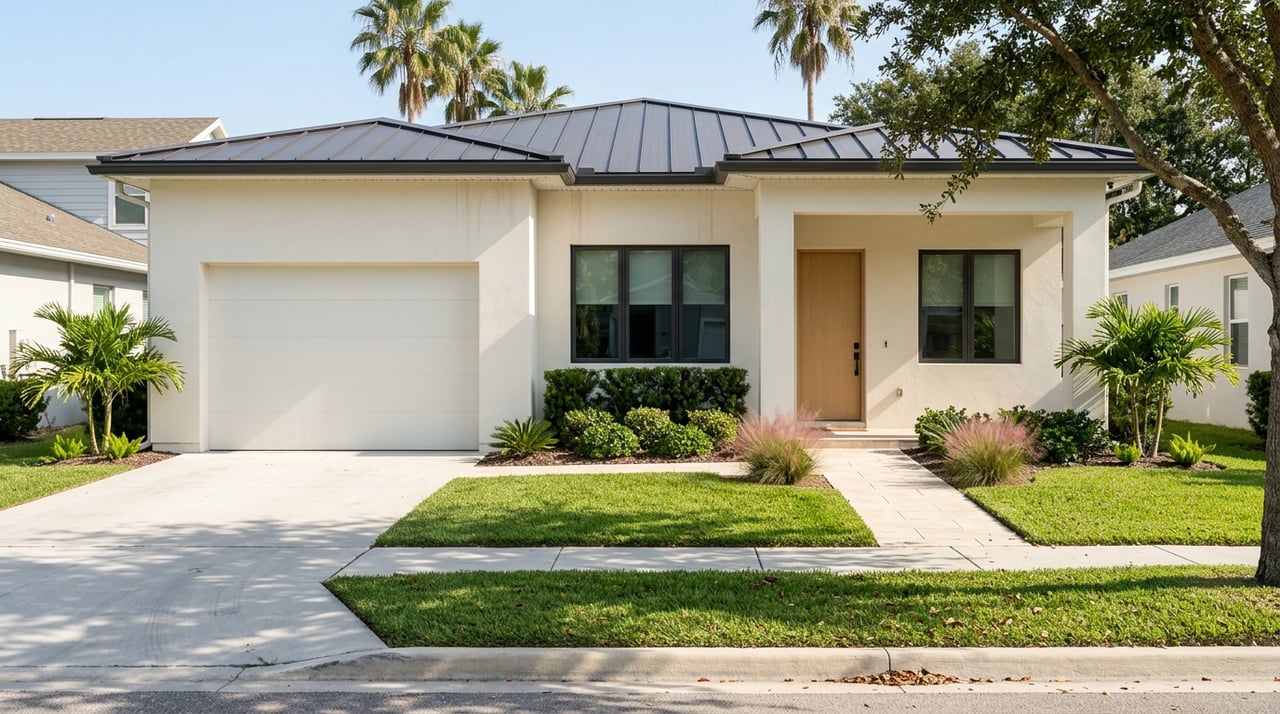
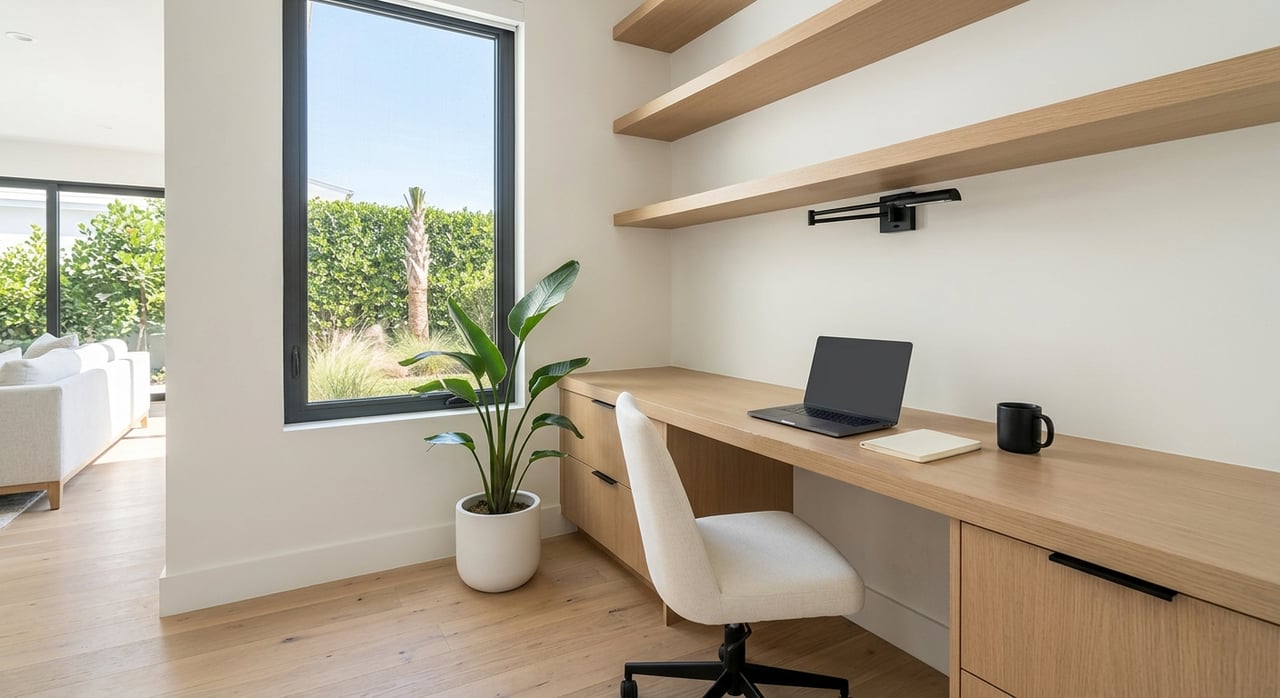
Today’s Palm Bay floorplans tend to favor open main living spaces that connect the kitchen, dining, and great room. Many buyers prefer a primary bedroom on the main level, and single-story layouts remain popular across Florida. Flexible rooms such as dens, offices, or multi-use spaces are common, and covered outdoor living like a lanai or screened porch is a frequent request.
Garage options range from standard two-car to three-car in higher price bands or as upgrades. Two-story plans can be a smart way to gain square footage on smaller lots.
Interior selections that move the price
- Kitchens. Cabinet quality, quartz or stone counters, and appliance packages are among the biggest upgrade buckets.
- Flooring. Tile, hardwood, or luxury vinyl plank can raise perceived quality and price.
- Baths. Double vanities, tile showers, and freestanding tubs tend to sit in higher bands.
- Smart home. Thermostats, locks, and security features are increasingly expected and add moderate cost.
Exterior and systems that affect long-term value
- Lot position and orientation. Preserve, waterfront, cul-de-sac, and corner lots usually carry premiums.
- Elevation and flood. Building above base flood elevation can lower insurance costs and support resale value.
- Roof and wind mitigation. Hip roof designs, proper anchoring, and hurricane straps matter in Florida.
- Impact-rated windows and doors. Higher upfront cost, but potential insurance savings and peace of mind.
- Energy features. Efficient HVAC, LED lighting, upgraded insulation, solar-ready roofs, and tankless hot water can lower monthly costs.
Energy ratings and documentation
Some builders advertise Energy Star, HERS Index scores, or solar-ready packages. Ask for the documentation. Ratings that you can verify add confidence for operating costs and resale.
Palm Bay vs. nearby cities
When you compare Palm Bay to Melbourne, Viera, Rockledge, or Titusville, look at the full picture.
- Price per square foot and price bands. Check current MLS reports and Florida Realtors market snapshots for context.
- Lot sizes and product mix. Palm Bay often offers more raw land and larger lot opportunities than denser master-planned areas.
- Commutes. Consider access to I-95 and travel times to major employers in Melbourne and the Space Coast.
- Schools. Review School District of Brevard County resources and independent information to understand zoning and options.
- Amenities and infrastructure. Compare community amenities, nearby parks, retail, and health services.
- Insurance and flood exposure. Distance to the coast, elevation, and wind-mitigation features affect premiums.
- Resale demand. Look at days on market, absorption rates, and resale activity in the same subdivision.
The right choice comes down to your budget, timeline, and how you value lot size, amenities, commute, and insurance costs.
Model-home tour checklist
Use this quick checklist to stay focused during tours and builder meetings.
Pre-visit prep
- Verify if you are touring a model, a spec, or a true inventory home.
- Ask about any builder finance or closing-cost incentives and their deadlines.
- Pull recent comps for similar floorplans in the area.
At the model or spec home
- Confirm which items in the model are standard versus upgrades. Request a standard features sheet.
- Get line-item pricing for big upgrades like cabinets, countertops, flooring, and HVAC.
- Review structural and mechanical specs such as insulation, window type, HVAC brand and SEER rating, and water heater type.
- Ask if windows and doors are impact-rated and whether that is a standard feature.
- Check lot conditions: drainage, grade, sun exposure, and distance from future phases.
- Inspect workmanship details like trim alignment, paint quality, door operation, and tile grout.
Contract and costs
- Clarify the base price and what allowances cover, such as appliances, lighting, and landscaping.
- Understand the deposit schedule and what is refundable if financing falls through.
- Review the change order process, lead times, and who pays cost overruns.
- Confirm closing timelines and whether there are penalties for builder delays.
- For custom builds, clarify progress draws and escrow protections.
- Request HOA covenants and the draft budget before you commit.
Builder reputation and obligations
- Verify the builder’s license and insurance and request warranty documents.
- Ask for references from recent buyers.
- Understand how warranty claims are handled and typical resolution times.
- Confirm who manages post-closing punch list items and how they are tracked.
Community infrastructure specifics
- Ask if amenities like pools and clubhouses are complete or planned and request timelines.
- Verify whether streets are public or private and who maintains them.
- Confirm plans for streetlights, sidewalks, and community landscaping.
Insurance, utilities, and operating costs
- Ask for typical utility costs for a similar completed home.
- Confirm if the home qualifies for any energy or insurance discounts.
- Verify sewer or septic. If septic, clarify drainfield location and maintenance.
Resale and value
- Request the builder’s sales history in the subdivision and typical days on market for resales.
- Ask if the builder offers any post-closing incentives that might influence future resale.
Documents to obtain
- Community plat and site plan with phase map.
- HOA draft covenants, conditions, restrictions, and budget.
- Builder standard features and specifications sheet.
- Warranty documents and any dispute resolution process.
- Elevation certificate if the home is in a flood zone.
Smart buyer tips for insurance and operating costs
Insurance and monthly bills matter as much as the purchase price. Ask whether impact-rated windows, reinforced roofing, and proper anchoring are included because wind-mitigation features can reduce premiums. Verify elevation and flood zone status, and keep a copy of the elevation certificate if applicable.
On the energy side, look for high-efficiency HVAC, upgraded insulation, and LED lighting. If solar-ready is offered, ask what that means in practice and whether there is documentation to show expected savings. Verified ratings help you compare homes fairly.
Your next step
Buying new construction in Palm Bay can be straightforward when you know what to watch. Narrow your list using planning and MLS resources, clarify your build timeline and selections, compare total ownership costs, and use the model-home checklist to keep builders accountable. If you want a local, bilingual guide to streamline tours, paperwork, and negotiations, reach out to Edgar Rodriguez. We will help you compare Palm Bay to nearby cities, confirm permitting and HOA details, and secure the best fit for your budget and lifestyle.
FAQs
How long does a new build in Palm Bay take?
- Spec homes often close in 3 to 6 months, semi-custom builds in 6 to 12 months for single-story and 8 to 14 months for two-story, and custom homes can take 10 to 18 months or more.
What should I check before signing a builder contract?
- Confirm standard versus upgraded features, timelines and penalties, deposit and refund terms, HOA documents, and warranty coverage and claims process.
Are Palm Bay new homes in flood zones?
- Some areas may be in mapped flood zones. Ask for the property’s elevation information and keep an elevation certificate if one applies for insurance and resale.
How do HOA fees affect my monthly budget?
- HOA fees fund community amenities and maintenance. They add to your monthly cost and may include use rules that affect landscaping, parking, or exterior changes.
What is the difference between a spec home and a to-be-built home?
- A spec is a home already permitted and often under construction, which shortens your timeline. A to-be-built home starts after contract and selections, so it takes longer but offers more customization.
How does Palm Bay compare to Viera, Melbourne, Rockledge, and Titusville?
- Palm Bay often offers more land and price flexibility, while nearby areas can feature denser master-planned amenities. Compare commute times, insurance exposure, HOA costs, and resale trends to decide what fits your goals.