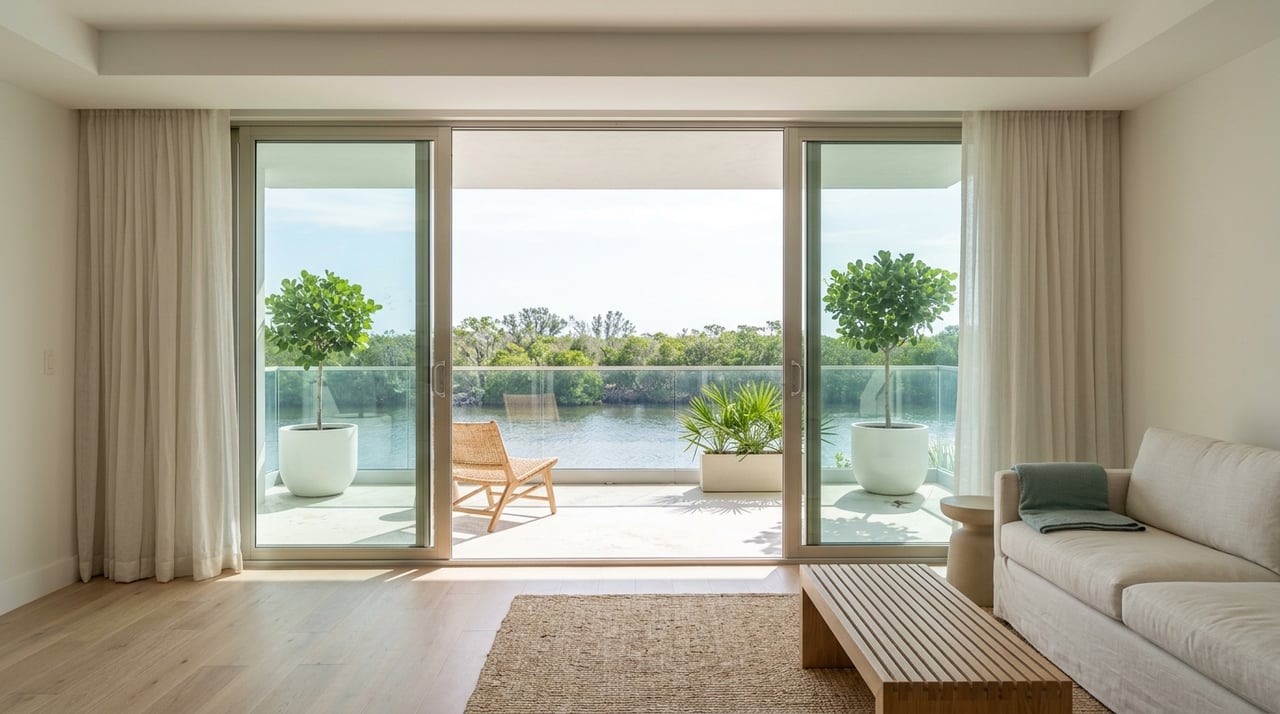
Downtown Melbourne FL Living vs Suburban Lifestyles
Wondering whether life in Melbourne feels better near the historic core or farther out in the suburban neighborhoods? If you are weighing lifestyle just as much as square footage, that choice can shape your daily routine in a big way. This guide breaks down what everyday life looks like in Downtown Melbourne versus suburban areas like West Melbourne and Viera, so you can decide which setting fits your goals best. Let’s dive in.
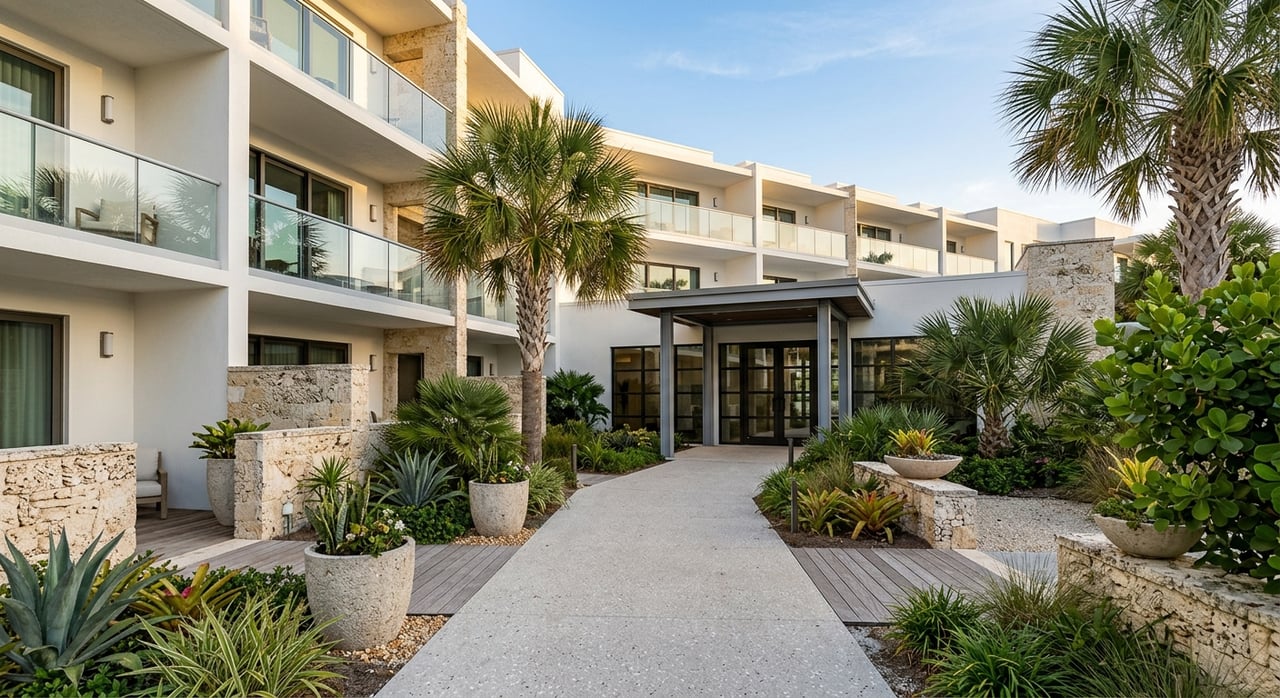
Downtown Melbourne offers a more compact, character-filled lifestyle along the Indian River Lagoon. The city describes its historic downtown as a place with growing entertainment options and unique retail choices, and its redevelopment history shows a clear focus on revitalizing the historic core.
If you enjoy being close to public spaces, local destinations, and a more established street pattern, downtown may feel like the more connected option. It is the part of Melbourne that leans most into walkability, riverfront access, and a sense of place tied to the city’s history.
One of the biggest differences downtown is architectural character. Melbourne’s historic preservation program notes that locally designated historic resources and districts are subject to design review, and some exterior changes may require a Certificate of Appropriateness.
For you, that can mean homes and buildings with more visual personality, plus more oversight than you would typically see in newer subdivisions. Some buyers love that added character and consistency, while others prefer the flexibility that often comes with newer development.
Downtown Melbourne also has a strong public gathering and riverfront identity. Front Street Civic Center sits on the Indian River, and the area includes Front Street Park, Riverview Park, and Pineapple Park River Front.
The downtown Community Redevelopment Area has also prioritized Riverview Park improvements and a pedestrian bridge across Crane Creek. That supports a lifestyle where public spaces, waterfront views, and outdoor gathering spots are part of your regular routine.
If you want options beyond driving everywhere, downtown has a practical edge. The city provides free public parking lots and a parking garage in Downtown Melbourne, and Space Coast Area Transit Route 21 serves the downtown area.
Melbourne residents with valid ID can ride free on routes 21, 24, and 29 within city limits. That can make downtown a more workable fit if you prefer to combine walking, short trips, and transit for some of your errands.
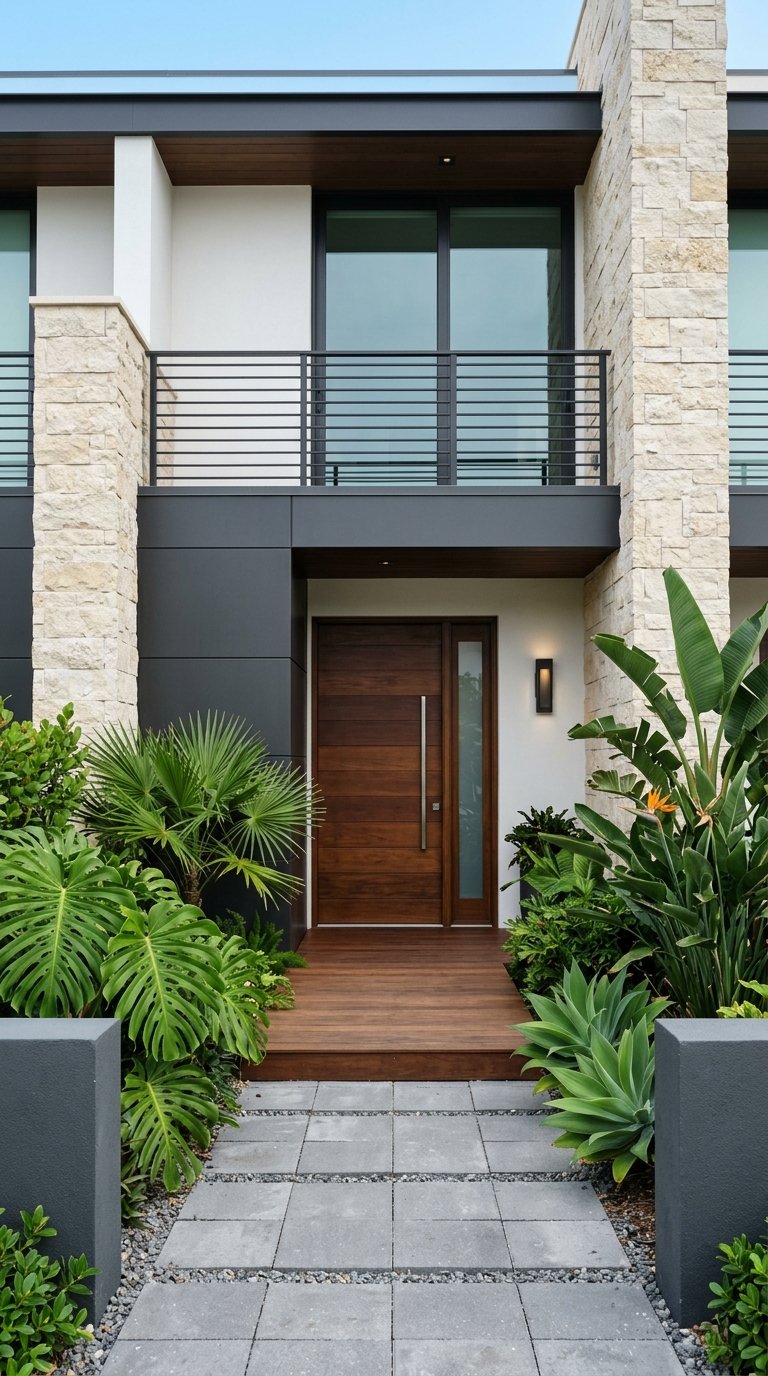
On the suburban side, West Melbourne and Viera offer a different rhythm. These areas reflect newer development patterns, larger recreation spaces, and more infrastructure planning geared toward neighborhood living.
If you picture a lifestyle built around newer roads, planned communities, parks, and more room to spread out, suburban Melbourne may be the better match. The trade-off is that many daily trips are more car-oriented than they are in the downtown core.
West Melbourne’s official materials highlight a neighborhood and recreation-driven environment. The city operates seven municipal parks and says it is dedicated to expanding recreational amenities.
West Melbourne Community Park, the city’s newest park, includes a splash pad, skate park, amphitheater, free public Wi-Fi, pavilions, and the all-accessible Field of Dreams complex. It is also located across from the West Melbourne Public Library, which adds to the area’s community-centered feel.
Suburban living often shows up in the street layout and daily traffic patterns, and West Melbourne is a good example. The city’s Public Works department inspects new streets, sidewalks, storm drains, and curbing built by developers to make sure they meet city code.
Recent roadway projects, including U.S. 192 repaving and Ellis Road widening, include buffered bike lanes, sidewalks, crosswalk upgrades, drainage work, and access improvements. That points to a setting shaped more by newer infrastructure and subdivision access than by an older downtown grid.
If you are comparing north-side suburban living, Viera stands out as a planned community. Brevard County’s Future Land Use Element describes Viera as a mixed-use New Town area planned with residential, retail, office, recreation, and other uses connected by pedestrian- and bicycle-friendly pathways, along with interconnected open space.
Viera Regional Park adds a 117.62-acre recreation hub with sports fields, courts, pavilions, walking and biking pedways, and a community center. The Viera Wetlands also add another outdoor destination that draws birders, photographers, and eco-tourists.
The best choice often comes down to what you want your day-to-day life to feel like. Downtown Melbourne and suburban Melbourne each serve a different kind of routine.
Here is a simple way to think about the trade-offs:
| Lifestyle Priority | Downtown Melbourne | West Melbourne / Viera |
|---|---|---|
| Overall feel | Historic, compact, character-rich | Newer, more spread out, planned |
| Getting around | More supportive of walking, short trips, and transit | More car-oriented for daily errands |
| Public spaces | Riverfront parks and civic gathering spaces | Large parks, sports facilities, and neighborhood amenities |
| Home setting | Historic resources and more design oversight in some areas | Newer subdivisions and planned communities |
| Daily trade-off | Less space, more proximity and character | More room, newer development, larger recreation amenities |
Downtown Melbourne may be the stronger fit if you value proximity over extra space. You may enjoy it more if you want to be near riverfront parks, public gathering spaces, and a more established historic setting.
It can also make sense if you like the idea of handling some errands without relying on your car for every trip. For buyers and renters who are drawn to character, walkability, and a more compact lifestyle, downtown often checks those boxes.
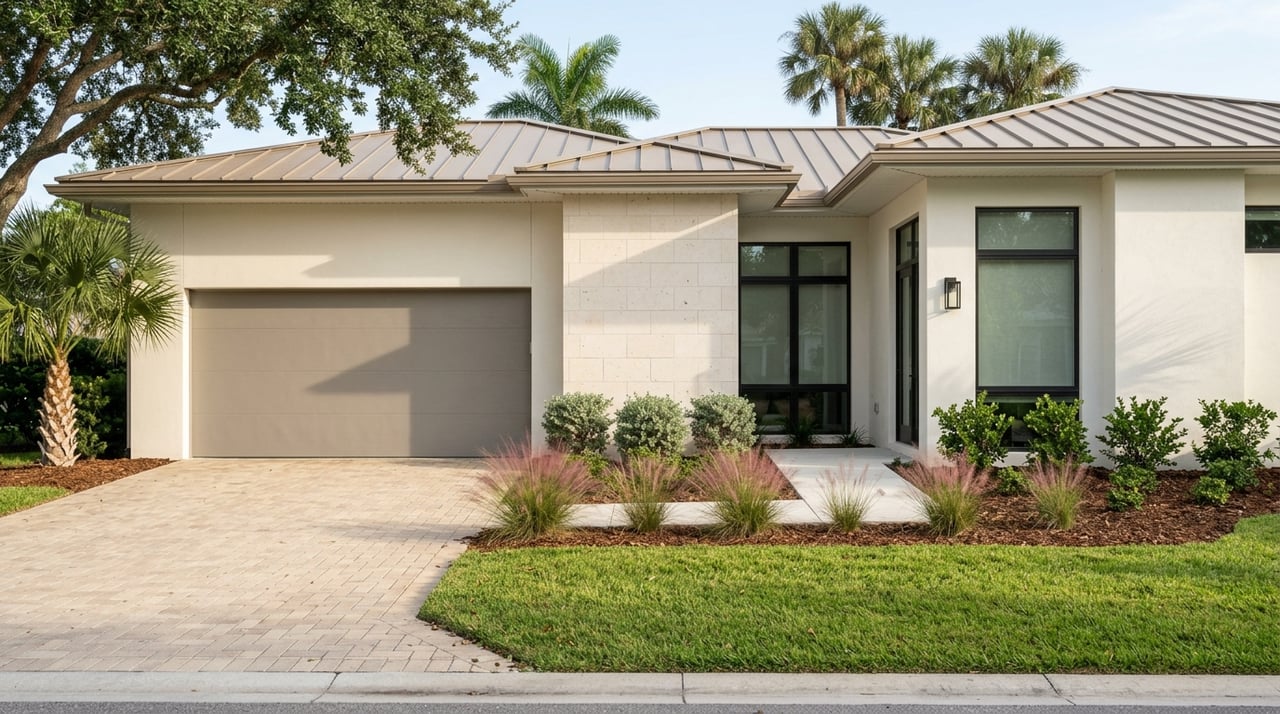
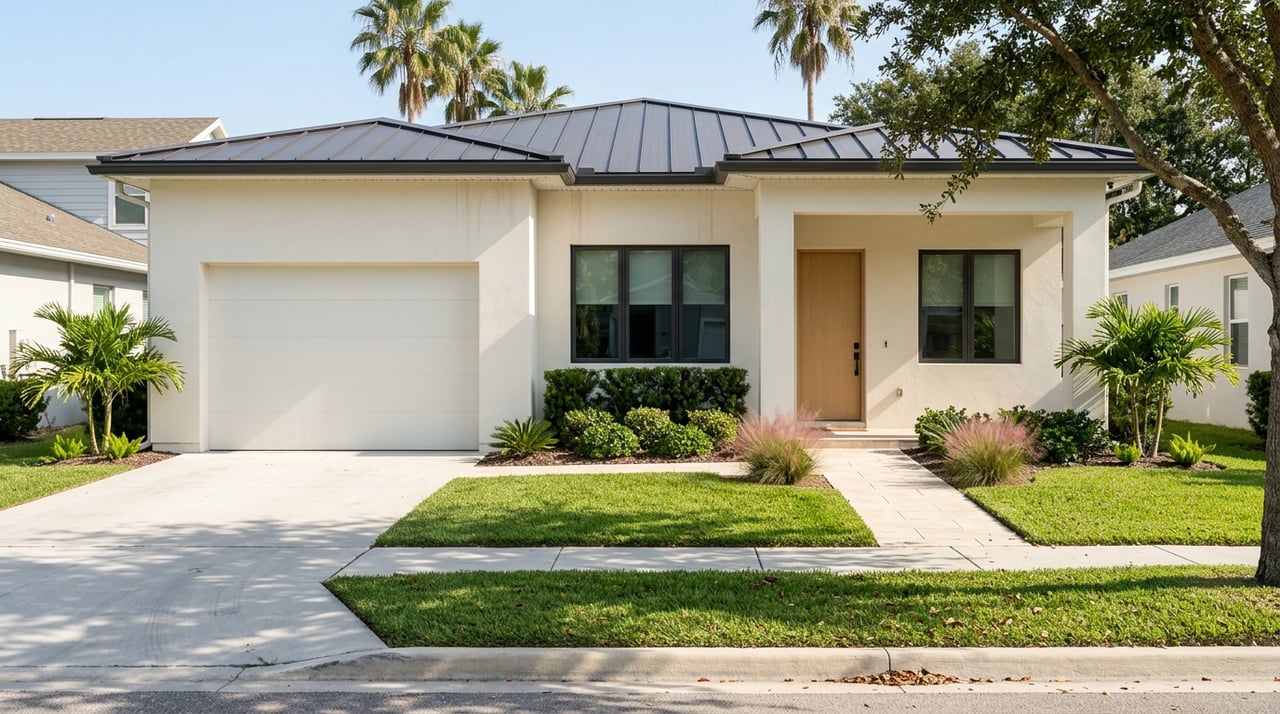
Suburban Melbourne may be the better fit if you want a newer home environment, more room, and larger recreation facilities nearby. West Melbourne and Viera both reflect that more planned, neighborhood-oriented approach.
You may prefer the suburban side if your ideal routine includes parks, sports spaces, wider roads, and a yard-oriented lifestyle. For many buyers, that feels more practical for long-term living, especially when newer construction and master-planned settings are high on the list.
If you are deciding between these two lifestyles, start with your daily habits. Think about whether you would use riverfront public spaces and a more walkable core, or whether you would get more value from newer infrastructure, bigger parks, and a more suburban setup.
It also helps to think beyond the home itself. The right choice is usually the one that supports how you want to spend your time, how often you drive, and what kind of surroundings feel most comfortable to you.
If you are exploring Melbourne, West Melbourne, or Viera and want help narrowing down the right lifestyle match, Edgar Rodriguez offers bilingual, local guidance to help you compare neighborhoods with confidence.
Whether you're buying, selling, or investing, he’s ready to guide you every step of the way—with integrity, care, and a deep commitment to your goals.

Edgar Rodriguez
Address
6022 Farcenda Pl Ste 101
Melbourne FL 32940