Cocoa Beach Oceanfront vs Riverfront Living Guide
Wondering whether Cocoa Beach oceanfront or riverfront living is a better fit for your lifestyle? It is a smart question, because both offer waterfront living, but they feel very different day to day. If you are weighing beach access, boating, property type, and coastal ownership realities, this guide will help you compare the two with more confidence. Let’s dive in.
Cocoa Beach sits on a barrier island with the Atlantic Ocean on the east side and the Banana River Lagoon on the west side. That unique setting gives you two very different waterfront experiences within the same city.
According to the city’s comprehensive plan, Cocoa Beach includes a mix of single-family homes, mid-rise multifamily properties, and resort uses. The same plan also shows a general pattern: ocean-side areas have more hotel and tourist activity, while lower-density residential areas are found along the Banana River Lagoon.
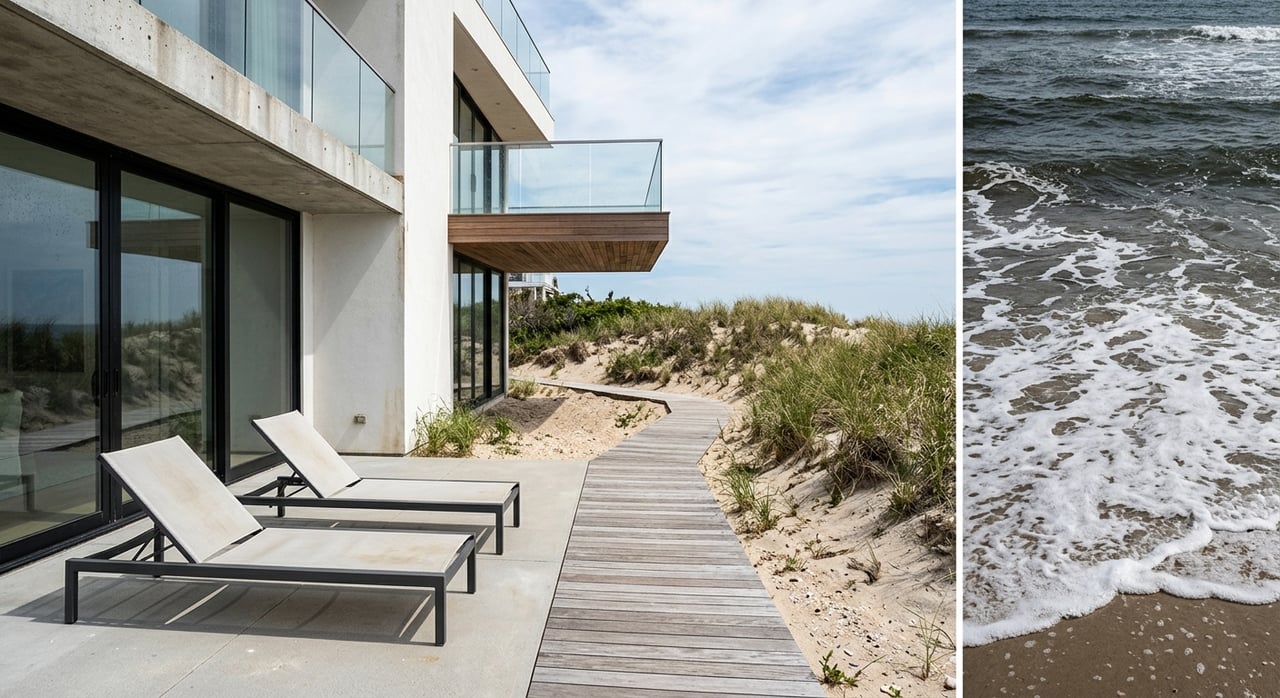
If your dream is to wake up close to the sand and step into a beach-focused routine, oceanfront living may be the better match. In Cocoa Beach, that side of the city is closely tied to public beach access, visitor activity, and condo-style ownership.
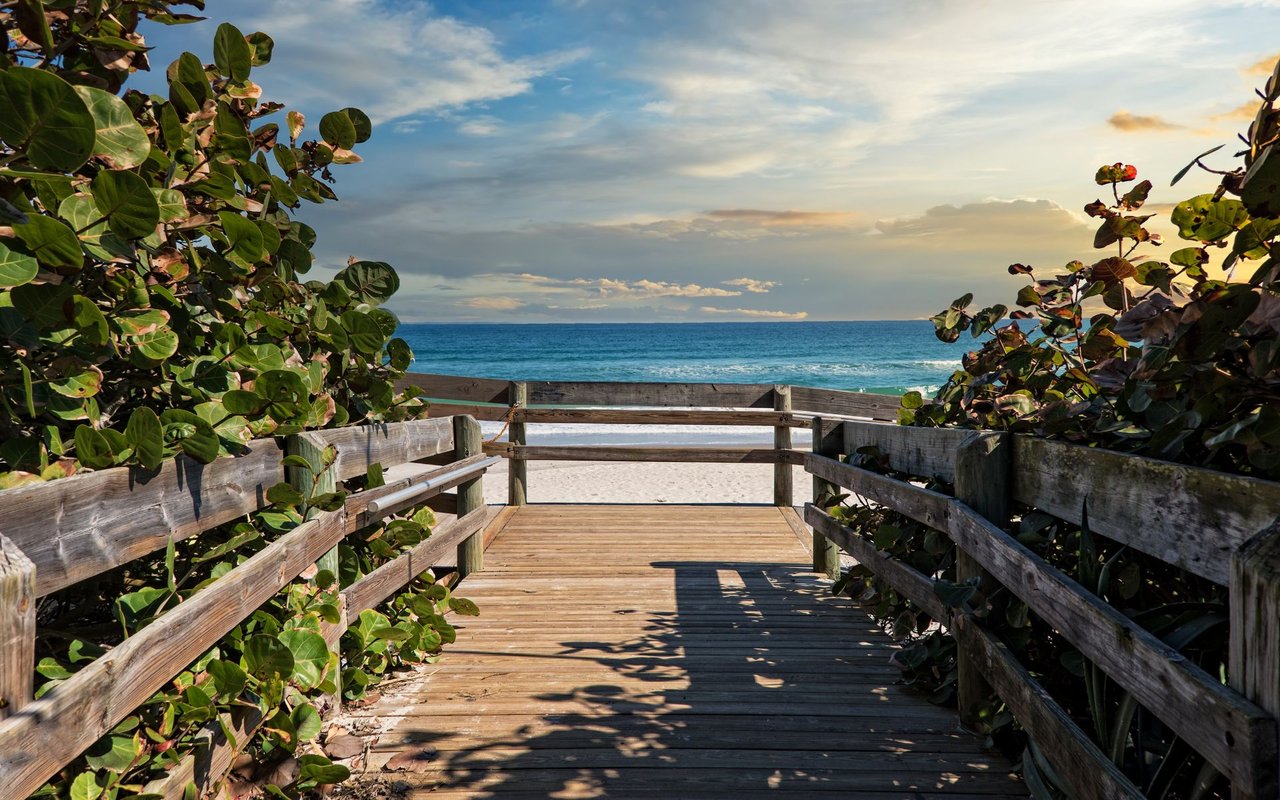
Oceanfront living is all about direct access to the Atlantic. You are near oceanfront parks, dune crossovers, restrooms, showers, and public parking, which makes it easy to enjoy the shoreline as part of your everyday life.
The city maintains strong public beach access. Its current beach-access information lists four oceanfront parks and 40 stub-end street access points east of A1A, while the city’s comprehensive plan describes six miles of public beaches and 42 public beach access points.
That matters because the ocean side is not just residential. It is also a well-used public beach corridor, so your surroundings may feel more active, especially near popular access points.
In Cocoa Beach, oceanfront inventory tends to lean condo-heavy or resort-style. The city’s zoning history explains part of why, noting that the CT-1 Oceanfront Residential and Transient District was created primarily to allow transient lodging and multifamily residential uses.
For you as a buyer, that often means more opportunities in condominiums and multifamily buildings than in detached oceanfront homes. If you like lock-and-leave ownership or a seasonal-use setup, this may be appealing.
Here are a few reasons buyers are drawn to the ocean side:
The city also reports more than 1,600 parking spaces across parks, beach-access street ends, and the downtown garage. That supports beach convenience, but it also reinforces how active the ocean side can be for visitors.
The main tradeoff is exposure to coastal conditions and the rules that come with beachfront property. The city states that beachfront development should be protected from coastal erosion, wave action, and coastal storms through native vegetation, setbacks, and beach renourishment rather than hard seawalls.
Florida’s Coastal Construction Control Line program also regulates structures and activities that could affect erosion, dunes, upland properties, or public access. In simple terms, oceanfront ownership can come with extra physical and regulatory considerations that are important to review before you buy.
If you picture life around boating, kayaking, or a quieter residential setting, riverfront living may feel more natural. The west side of Cocoa Beach has a different rhythm, with more of a water-access and neighborhood-focused character.
The city’s comprehensive plan identifies low-density residential uses along the Banana River Lagoon. It also specifically refers to residential finger-island communities, which helps explain why the river side often feels more residential than the ocean side.
For many buyers, this is the side that feels more connected to boating and paddling than to beach crowds. You may still be close to the ocean by car or bike, but your day-to-day environment can feel more oriented around the lagoon.
Riverfront living in Cocoa Beach is closely tied to water access. Ramp Road Park offers a boat ramp, boat dock, kayak launching ramps, fishing access, and other recreation features.
The Thousand Islands Conservation Area is also primarily accessed by boat from Ramp Road. It is known for paddling channels and wildlife viewing, which adds to the appeal if you enjoy being on the water in a more natural setting.
Riverfront living may be a strong fit if you want:
For buyers who value waterfront access but do not need to be directly on the sand, the river side can offer a very different version of coastal living.
The river side has its own risks. The city says low-lying lands bordering the Banana River Lagoon are susceptible to flooding, and the comprehensive plan calls for western residential districts to be managed to reduce losses from high tides, storm surge, flash floods, and hurricane winds.
That means riverfront living is not a lower-risk version of coastal ownership. It is simply a different risk profile, and that distinction matters when you review elevation, flood exposure, and insurance costs.
If you are trying to narrow down your choice, this side-by-side view can help.
| Feature | Oceanfront | Riverfront |
|---|---|---|
| Main lifestyle focus | Beach access and Atlantic views | Boating, kayaking, and lagoon access |
| Typical setting | More active public beach corridor | More residential waterfront feel |
| Common property pattern | Often condo-heavy or resort-style | Often lower-density residential |
| Nearby amenities | Beach parks, crossovers, showers, parking | Boat ramps, docks, paddling access, fishing |
| Visitor activity | Generally higher | Generally lower |
| Key environmental concern | Erosion, wave action, coastal storms | Flooding in low-lying lagoon areas |
One of the biggest misconceptions buyers have is that only oceanfront homes face serious storm concerns. In Cocoa Beach, that is not the case.
The city’s comprehensive plan states that all of Cocoa Beach is within Hurricane Evacuation Zone A and the Coastal High Hazard Area. Hurricane planning is a citywide issue, not just an oceanfront issue.
The plan also notes that Atlantic-side flooding is partly buffered by a coastal ridge, while low-lying lands along the Banana River Lagoon are susceptible to flooding. So when you compare properties, it is important to look beyond the label of oceanfront or riverfront and review the specific site conditions of each home.
The city also participates in the National Flood Insurance Program Community Rating System and says flood-resistant construction standards consistent with FEMA should continue to apply. For you, that makes due diligence around flood zones, construction features, and insurance especially important.
The best choice usually comes down to how you want to live. If your priority is stepping onto the beach, enjoying the Atlantic, and owning a condo or resort-style property, oceanfront may be your best fit.
If you care more about keeping a boat nearby, launching a kayak, or enjoying a lower-density residential setting, riverfront may feel more practical. Neither option is automatically better. It depends on the lifestyle you want to build.
As you compare homes, focus on these questions:
These questions can help you move beyond the view and focus on the ownership experience.
Cocoa Beach attracts a mix of full-time owners, seasonal residents, and retirement-age buyers. U.S. Census QuickFacts for 2020 through 2024 show that 36.3% of Cocoa Beach residents were age 65 or older, and the owner-occupied housing unit rate was 78.8%.
Those numbers support what many buyers already sense in the market: Cocoa Beach appeals to people looking for lifestyle, stability, and long-term enjoyment of the area. Whether you are buying a primary home, second home, or retirement property, choosing the right side of the city can shape your everyday experience.
If you are comparing oceanfront and riverfront homes in Cocoa Beach, working with a local guide can help you weigh the details that do not show up in listing photos. When you are ready to explore your options, connect with Edgar Rodriguez for knowledgeable, bilingual guidance tailored to your waterfront goals.

Whether you're buying, selling, or investing, he’s ready to guide you every step of the way—with integrity, care, and a deep commitment to your goals.
Edgar Rodriguez
Address
6022 Farcenda Pl Ste 101
Melbourne FL 32940